
Lessons From Hurricanes Ian and Nicole: Central Florida's Unique Storm Realities
When major hurricanes strike Central Florida, the primary destructive force inland is rarely sustained Category 4 wind alone; it is the catastrophic volume of tropical rainfall and subsequent freshwater flooding. When Hurricane Ian swept across Orange, Osceola, Seminole, and Volusia Counties in September 2022, it dropped between 15 and 22 inches of rain within 36 hours. Lakes, drainage retention basins, and river corridors—including the St. Johns River, Shingle Creek, and the Econlockhatchee River—surpassed 500-year flood stages, submerging thousands of residential slab-on-grade homes for days.
Weeks later, Hurricane Nicole exacerbated these conditions with coastal storm surges and saturated inland soils. For Central Florida homeowners, understanding the operational lessons of these storms is essential. Water enters homes through two distinct mechanisms: top-down wind-driven rain penetrating damaged roof shingles, ridge vents, and broken window glazing, or bottom-up overland sheet-flow flooding overtopping door thresholds and garage slabs. Each pathway carries radically different structural consequences, biohazard risks, and insurance coverage rules.
The Post-Storm Safety & Triage Checklist: First 12 Hours
Before taking any steps to inspect or clean your flooded property, you must systematically execute this life-safety checklist:
1. Confirm Structural and Electrical Life Safety: Never step into standing water inside a flooded home until the primary electrical breaker panel has been completely shut off by someone standing on dry ground. If the electrical meter base or breaker panel was submerged, do not touch it—contact your local power utility (such as OUC or Duke Energy). Watch for ceiling drywall sagging under the weight of saturated attic insulation, which can collapse without warning.
2. Secure Immediate Exterior Tarping: If shingles have been torn away or tree limbs have breached the roof deck, arrange professional emergency tarping or heavy-duty shrink-wrapping immediately. Florida law requires policyholders to take reasonable measures to mitigate ongoing storm damage. Tarping prevents secondary rain showers from destroying remaining ceilings and interior drywall.
3. Capture Comprehensive Pre-Mitigation Documentation: Take continuous high-definition video walking through every room before moving any damaged furniture or tearing out building materials. Photograph the high-water line marks against drywall, doors, and exterior siding. Photograph model and serial number tags on water-damaged appliances, air conditioning units, and electronics.
Dealing With an Emergency Water Loss Right Now?
Don't let water damage escalate into structural mold. Our Orlando dispatch team operates 24 hours a day, 7 days a week with live response.
The Critical Insurance Divide: Wind-Driven Rain vs. Rising Floodwater
One of the most consequential financial lessons from Hurricane Ian is the strict legal and contractual division between homeowners insurance and flood insurance. Standard Florida HO-3 homeowners insurance policies cover water damage caused by windstorm intrusion—such as wind tearing away roof shingles or blowing in a window, allowing rain to pour inside. These claims are subject to your policy's separate Hurricane Deductible, which is typically set at 2%, 5%, or 10% of your home's total insured dwelling value (Coverage A).
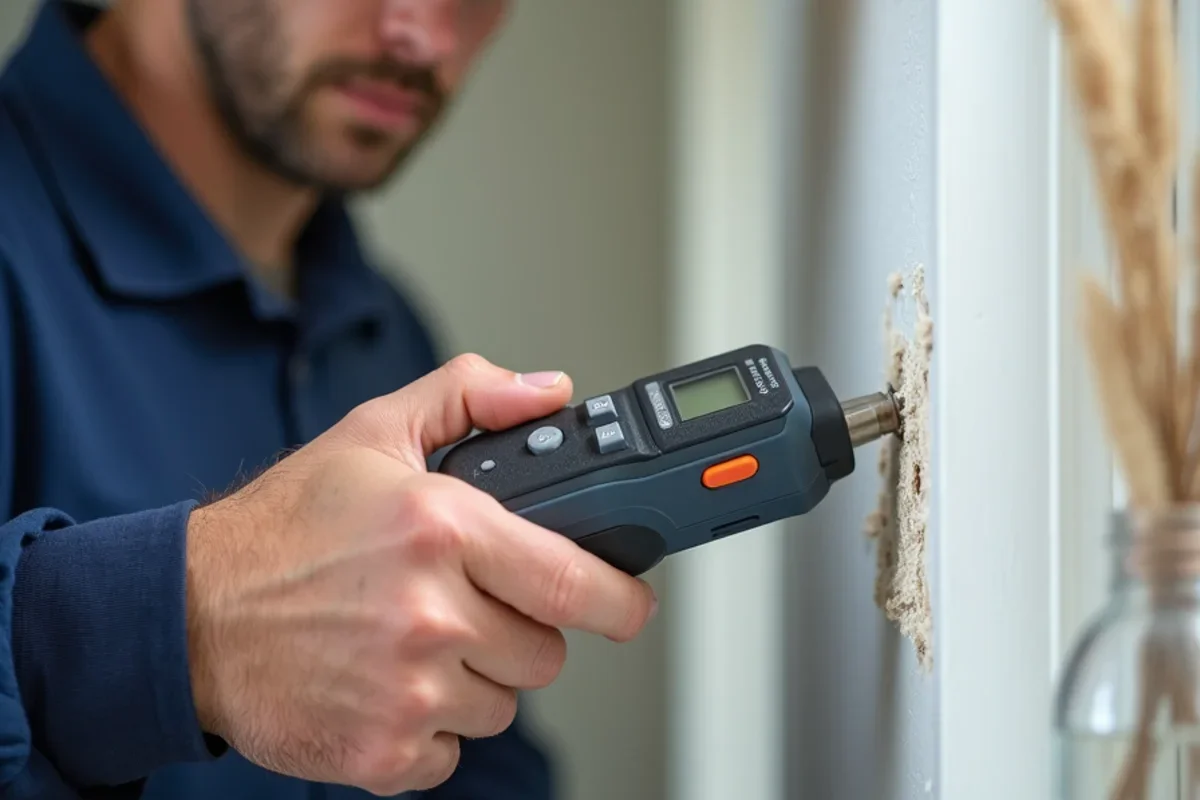
Conversely, rising surface water, overflowing retention ponds, river surges, and street runoff that enter your home from ground level are classified as 'flood.' Homeowners policies explicitly exclude flood damage. Flood losses are covered exclusively if you hold a dedicated flood policy through the National Flood Insurance Program (NFIP) or a private flood underwriter. If your home suffered both roof wind damage and rising ground water, insurance adjusters require precise photographic evidence and professional moisture mapping to distinguish which structural assemblies were impacted by wind versus floodwater.
Professional Extraction, Flood Cuts & Deep Structural Dehumidification
Once floodwaters recede from your property, immediate structural decontamination and extraction must begin. Ground floodwater is Category 3 black water carrying sewage contaminants, petroleum runoff, pesticides, and dangerous bacteria. Saturated porous materials must be handled aggressively: drywall wicks contaminated water upward far above the visible waterline.
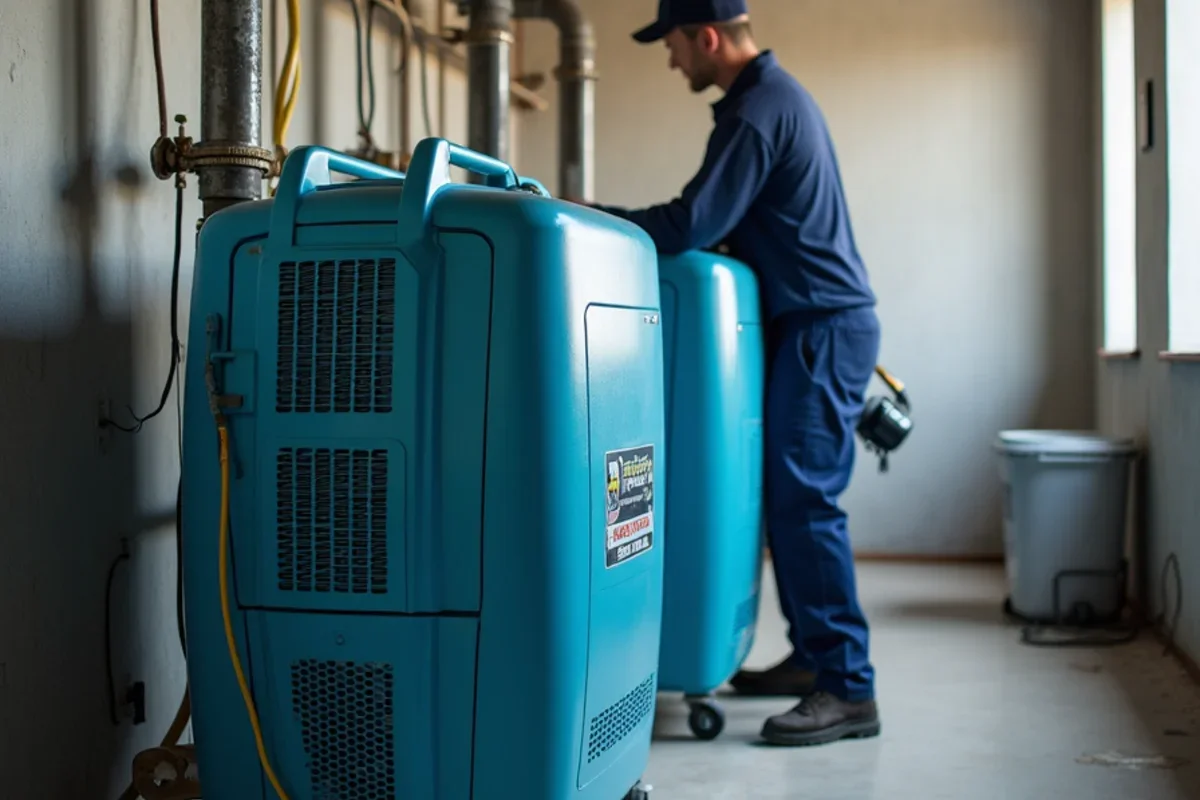
Under IICRC S500 standards, technicians perform clean 'flood cuts,' cutting away drywall and batt insulation at least 12 to 24 inches above the highest moisture level. Saturated carpet, carpet padding, and composite baseboards must be removed and discarded. Saturated blown-in cellulose or fiberglass attic insulation must be vacuum-extracted to relieve weight on ceiling joists. After physical debris removal, exposed timber wall framing and concrete slabs are power-washed with antimicrobial detergents, treated with EPA-registered botanical disinfectants, and sealed in containment chambers powered by commercial Low Grain Refrigerant (LGR) dehumidifiers and high-cfm air movers to pull deep moisture out of structural elements before mold takes root.
Filing Your Florida Hurricane Claim: Deadlines and Policyholder Duties
Florida property insurance law imposes strict statutory deadlines on hurricane claims. Under Florida Statute 627.70132, policyholders must give notice of a property insurance claim to their carrier within one year of the date of the hurricane's landfall (or 18 months for supplemental claims). Failing to meet this statutory deadline results in complete forfeiture of coverage.
Furthermore, recent legislative reforms under Senate Bill 2-A eliminated Assignment of Benefits (AOB) and one-way attorney fees, placing claim administration directly between the homeowner and their carrier. To protect your rights, maintain a dedicated binder or cloud folder containing all receipts for emergency tarping, temporary lodging (reimbursable under Coverage D / Additional Living Expenses), meals, and professional mitigation invoices. Reputable restoration contractors provide itemized Xactimate estimates and daily psychrometric logs that give carrier adjusters the exact proof required for swift claim resolution.
Related Restoration Services & Service Areas Mentioned in This Guide
Frequently Asked Questions: hurricane damage checklist florida
Answers to common questions regarding timelines, insurance coverage, and Florida moisture management.
Need On-Site Water Damage Assistance?
Speak with an experienced restoration specialist right now. We dispatch certified technicians 24/7 across Central Florida.