
Recognizing the Critical Signs of Mold Remediation in Central Florida Properties
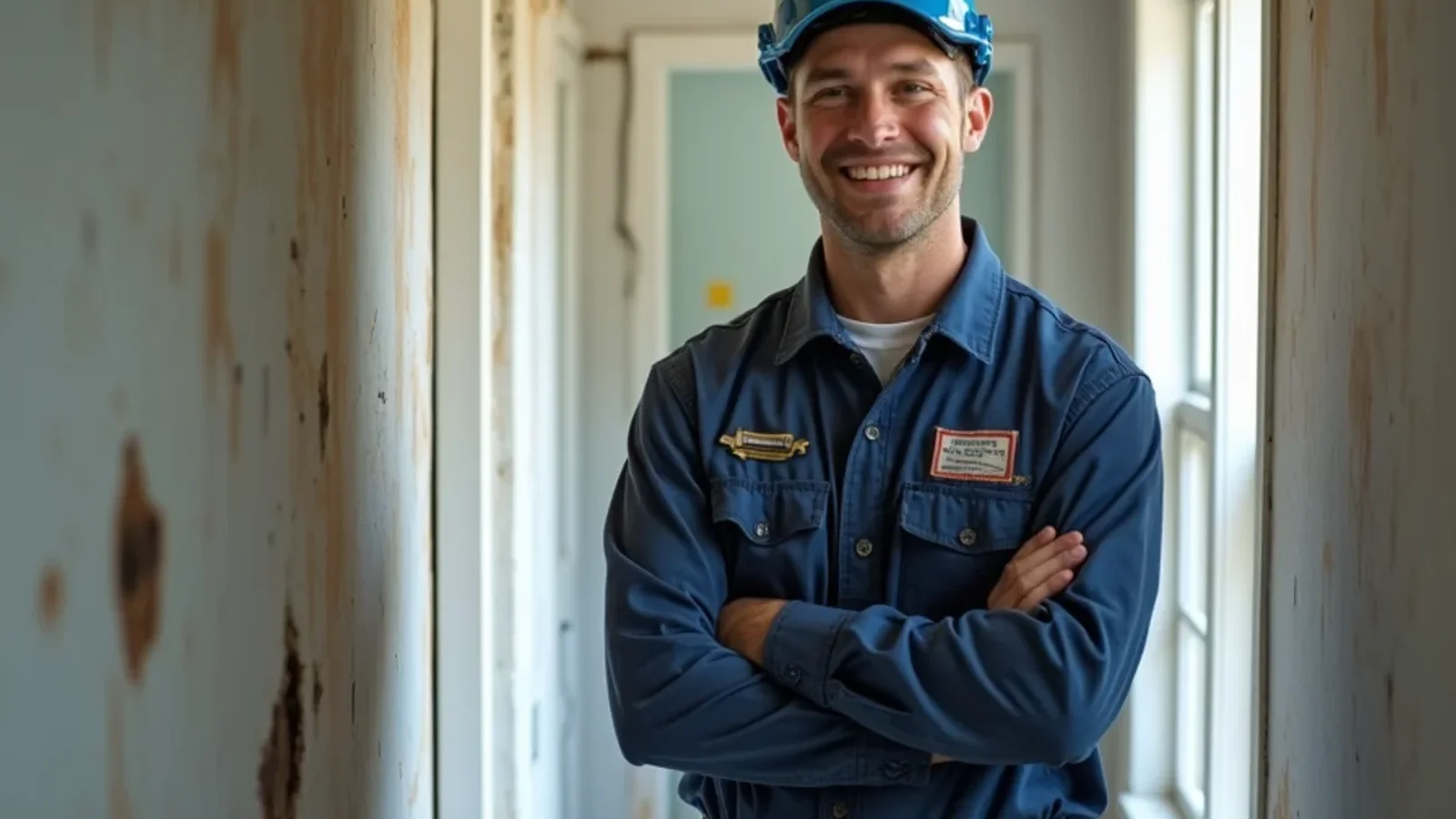
Mold colonization represents the most severe biological hazard following water intrusion in Central Florida. In Orlando's warm, humid climate, dormant mold spores begin germinating on damp building substrates within 24 to 48 hours of exposure to moisture. As fungal hyphae penetrate porous gypsum drywall, paper backing, baseboards, and wood framing, they release volatile organic compounds (VOCs) and mycotoxins that produce pervasive musty odors, degrade indoor air quality, and trigger serious respiratory symptoms for occupants. Left untreated, microbial growth spreads behind baseboards, travels through wall cavities, and infiltrates air conditioning ductwork. In Central Florida structures, common fungal colonizers include Aspergillus, Penicillium, Cladosporium, and water-indicator species like Stachybotrys chartarum. These fungi produce microscopic spore chains that easily aerosolize when disturbed; attempting to wipe mold with household bleach merely bleaches surface pigmentation while introducing additional water into porous drywall, accelerating root hyphae penetration into interior wall framing. Professional mold remediation orlando services are not cosmetic bleach cleanups; under Florida law and ANSI/IICRC S520 professional standards, remediation requires scientific containment, negative-pressure air engineering, controlled structural demolition, and thorough antimicrobial decontamination to permanently eliminate fungal colonies and prevent airborne cross-contamination.
Primary Moisture Triggers & Structural Vulnerabilities in Orlando
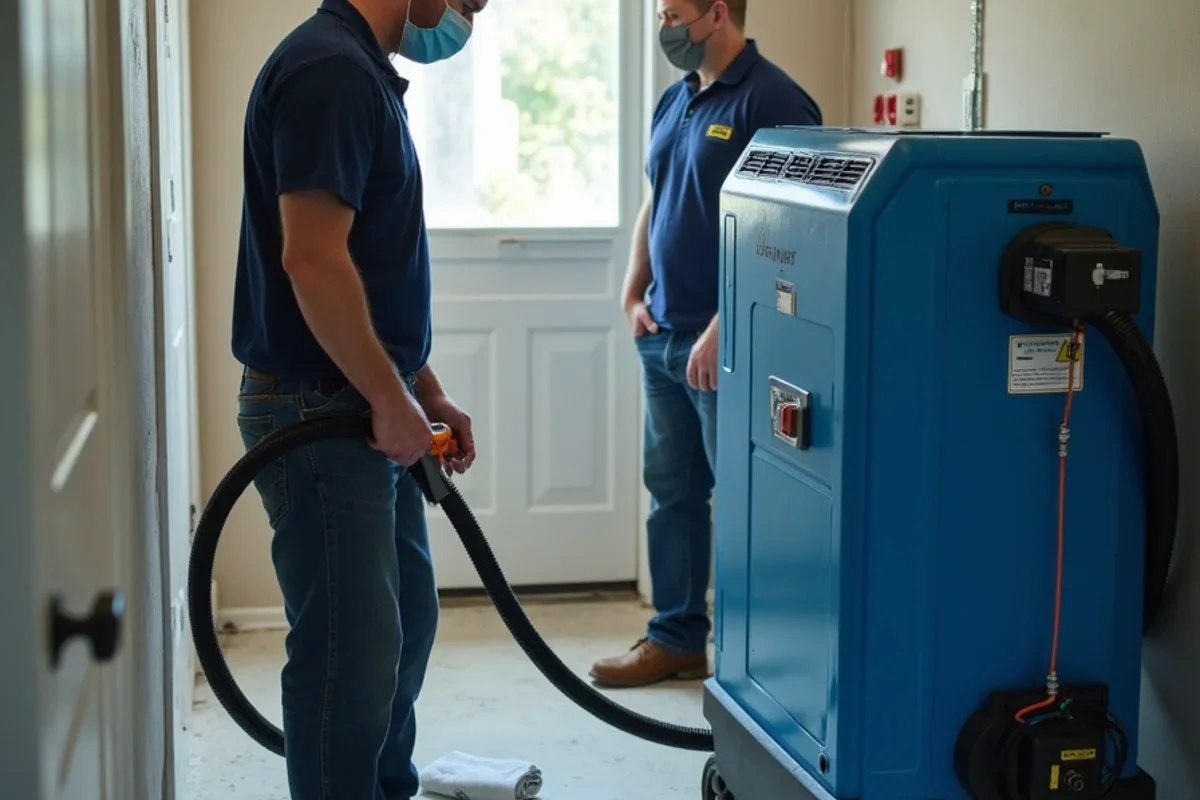
Central Florida's environmental and architectural profile creates extraordinary vulnerability to indoor mold amplification. High outdoor temperatures combined with average relative humidity exceeding 80% create massive vapor pressure differentials between conditioned indoor living spaces and exterior humid air. Air conditioning systems across Orange, Seminole, and Osceola counties run under extreme cooling loads for eight months a year; when attic air handlers develop blocked condensate drain lines, sweating ductwork, or unsealed plenums, moisture pools invisibly inside attic insulation and drips through ceiling drywall. Furthermore, older slab-on-grade homes built with plumbing lines beneath concrete often suffer undetected slow pinhole leaks that saturate subfloors and wall framing for weeks before surface staining appears. When combined with tropical thunderstorm intrusions, hurricane roof leaks, and Florida's porous building materials, mold rapidly colonizes wall cavities and floor assemblies if structural drying is delayed.
Need Emergency Mold Remediation in Orlando?
Our live emergency dispatchers answer 24 hours a day, 7 days a week. We deploy certified technicians with specialized moisture mapping and drying equipment immediately.
Advanced Diagnostic Inspection, Thermal Imaging & Moisture Mapping
Our mold remediation protocol adheres strictly to Florida statutory requirements and the ANSI/IICRC S520 Standard of Care. In compliance with Florida Statute Section 468.8419, our remediation scope is guided by an independent third-party licensed mold assessor's protocol report, ensuring zero conflict of interest. Upon dispatch, our DBPR-licensed remediators inspect the designated containment zones using high-resolution infrared thermal cameras and calibrated pin moisture meters to confirm whether active moisture sources persist. We establish air sampling containment boundaries, map the square footage of affected drywall and structural timber, and verify negative pressure parameters before disturbing any contaminated materials.
Step-by-Step Protocol for Professional Mold Remediation
Protocol Review & Engineering Triage
We review the independent mold assessor's report, verify contaminated boundaries, identify active moisture feeds, and establish negative-air engineering plans.
Negative Pressure Containment Construction
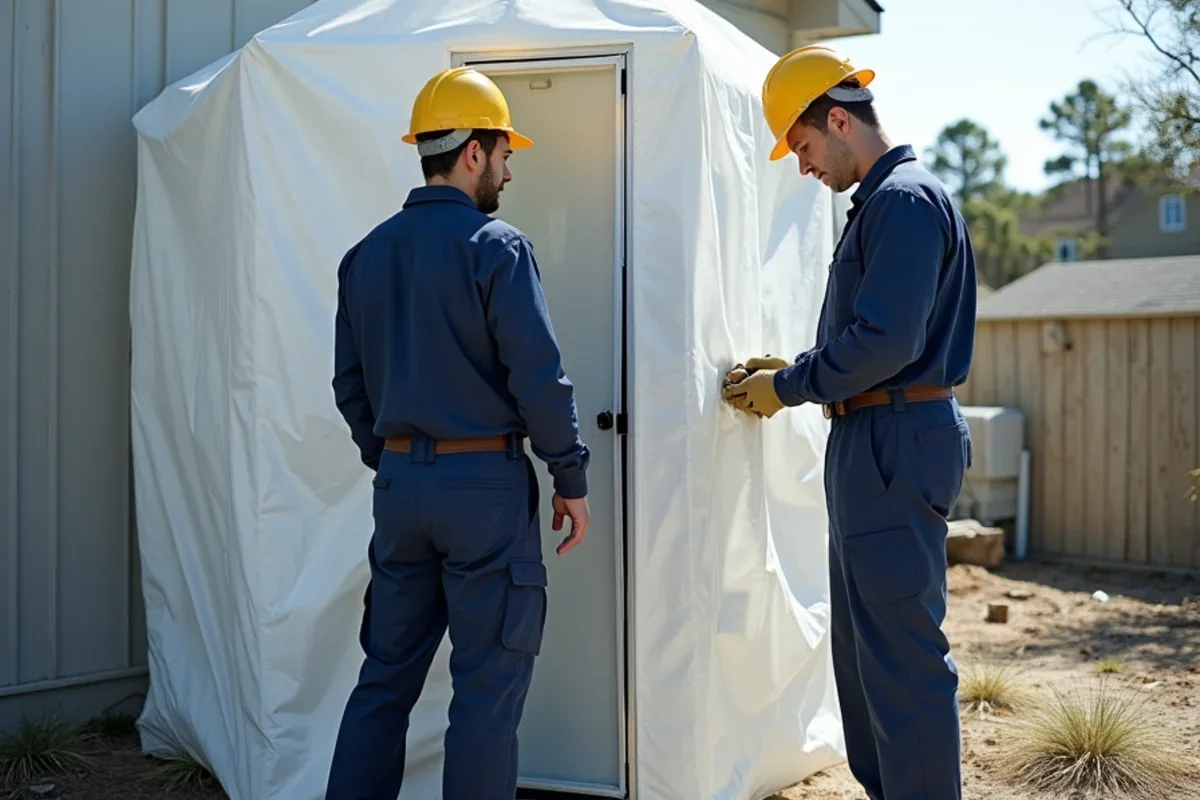
Technicians erect airtight critical barriers using 6-mil polyethylene sheeting, sealed zipper airlocks, and negative-air HEPA scrubbers maintaining a certified pressure differential.
Controlled Removal of Porous Contaminated Materials
Materials with deep fungal hyphae penetration—including drywall, fiberglass insulation, and carpet—are carefully cut out, misted to prevent spore dispersion, and bagged inside double-sealed 6-mil poly bags.
HEPA Sandwich Vacuuming & Surface Scrubbing
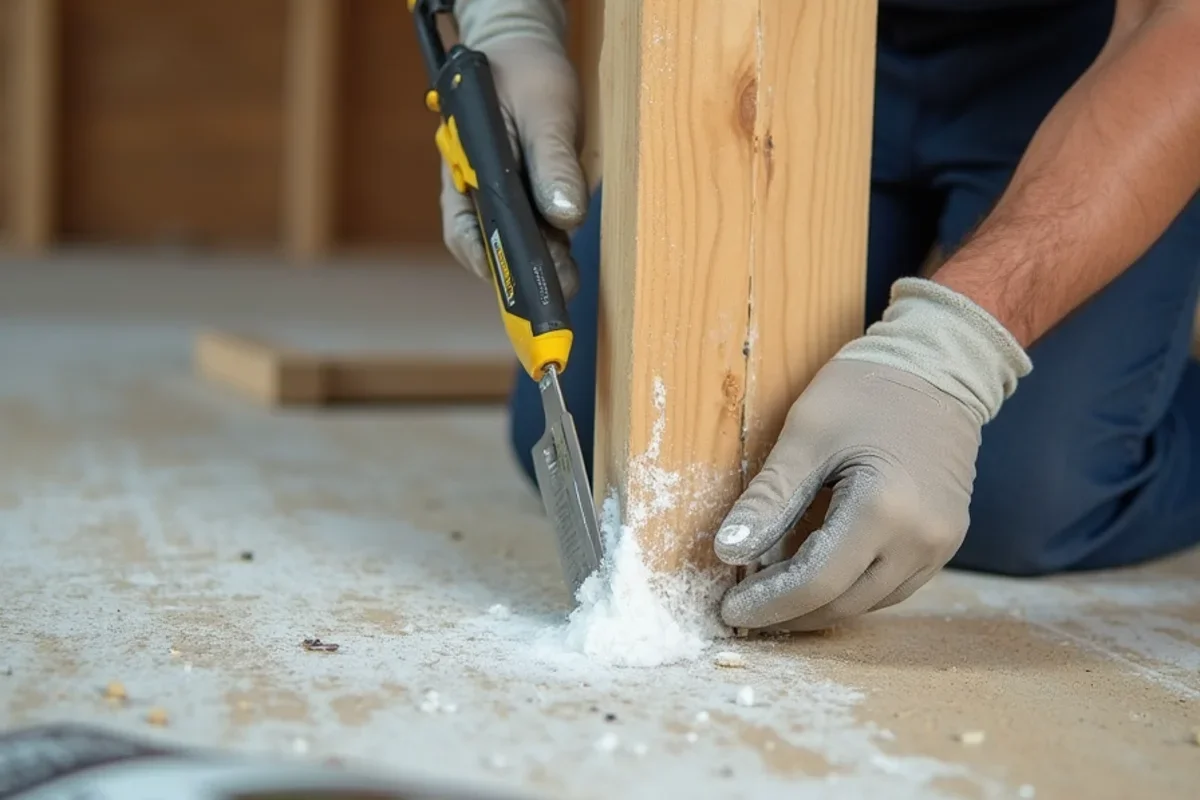
All exposed structural framing, concrete slabs, and remaining non-porous surfaces undergo a multi-pass HEPA vacuuming, mechanical wire-brushing, and damp-wiping with EPA-registered botanical biocides.
Fungicidal Encapsulation & Deep Air Scrubbing
Framing studs are treated with an antimicrobial fungicidal coating to prevent future spore germination, while industrial HEPA air scrubbers run continuously for 48 to 72 hours.
Independent Post-Remediation Verification (PRV)
Before containment is disassembled, an independent licensed mold assessor conducts clearance air sampling and visual inspection to certify that spore counts meet normal fungal ecology standards.
Psychrometric Drying Timelines & Equipment Deployment
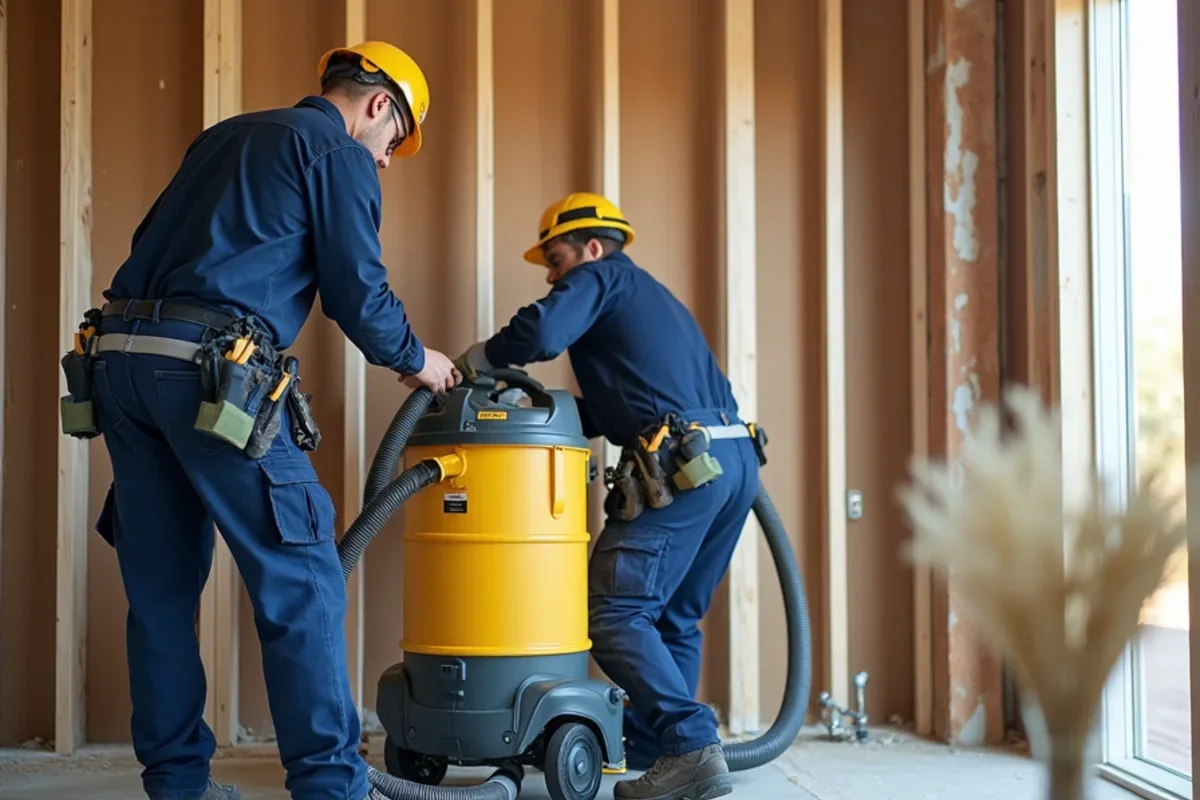
Safe microbial remediation requires specialized containment and air filtration technologies designed to capture microscopic spores measuring between 2 and 10 microns. Our remediation teams deploy DOP-tested, industrial HEPA air filtration devices (air scrubbers) equipped with true HEPA filters rated at 99.97% efficiency at 0.3 microns. By ducting scrubbed exhaust air to the outdoors, we maintain continuous negative pressure (-0.02 inches of water column differential) inside the containment chamber, ensuring that airborne spores cannot escape into clean living areas. Technicians utilize specialized mechanical agitation tools, including HEPA-attached orbital sanders and dry-ice blasting units, to remove embedded hyphae from framing studs. All surfaces are sanitized using EPA-registered botanical fungicides and sealed with mold-resistant elastomeric encapsulants that prevent fungal recolonization. During all demolition and cleaning phases, our certified technicians wear OSHA-mandated Personal Protective Equipment (PPE), including full-body Tyvek protective suits, nitrile inner and outer gloves, and NIOSH-certified P100 full-face respirators, ensuring complete worker safety and preventing spore contamination of exterior clean corridors.
Insurance Documentation, Line-Item Scopes & Florida Compliance
Navigating mold remediation insurance claims in Florida requires strict adherence to statutory guidelines and policy terms. Many Florida homeowners insurance policies (HO-3) contain specific mold coverage limits—frequently capped between $10,000 and $50,000—and require proof that mold resulted directly from a covered sudden and accidental water peril rather than prolonged neglect. In strict compliance with Florida Statute Chapter 468 Part XVI, we hold an active DBPR mold remediator license ({LICENSE #}) and carry mandatory $1 million general liability insurance coverage. Following Senate Bill 2-A reforms, we do not solicit Assignment of Benefits (AOB) agreements or act as public adjusters. We provide you and your insurer with complete remediation documentation packets: independent assessment protocols, time-stamped containment photos, negative pressure monitoring logs, hazardous waste disposal manifests, and third-party clearance certificates formatted in Xactimate.
Frequently Asked Questions About Mold Remediation
Specific answers addressing timelines, costs, insurance coverage, and Florida regulations.
Ready to Begin Mold Remediation?
Connect directly with our Orlando dispatch desk. We arrive equipped to stabilize your property and stop water damage from spreading.