
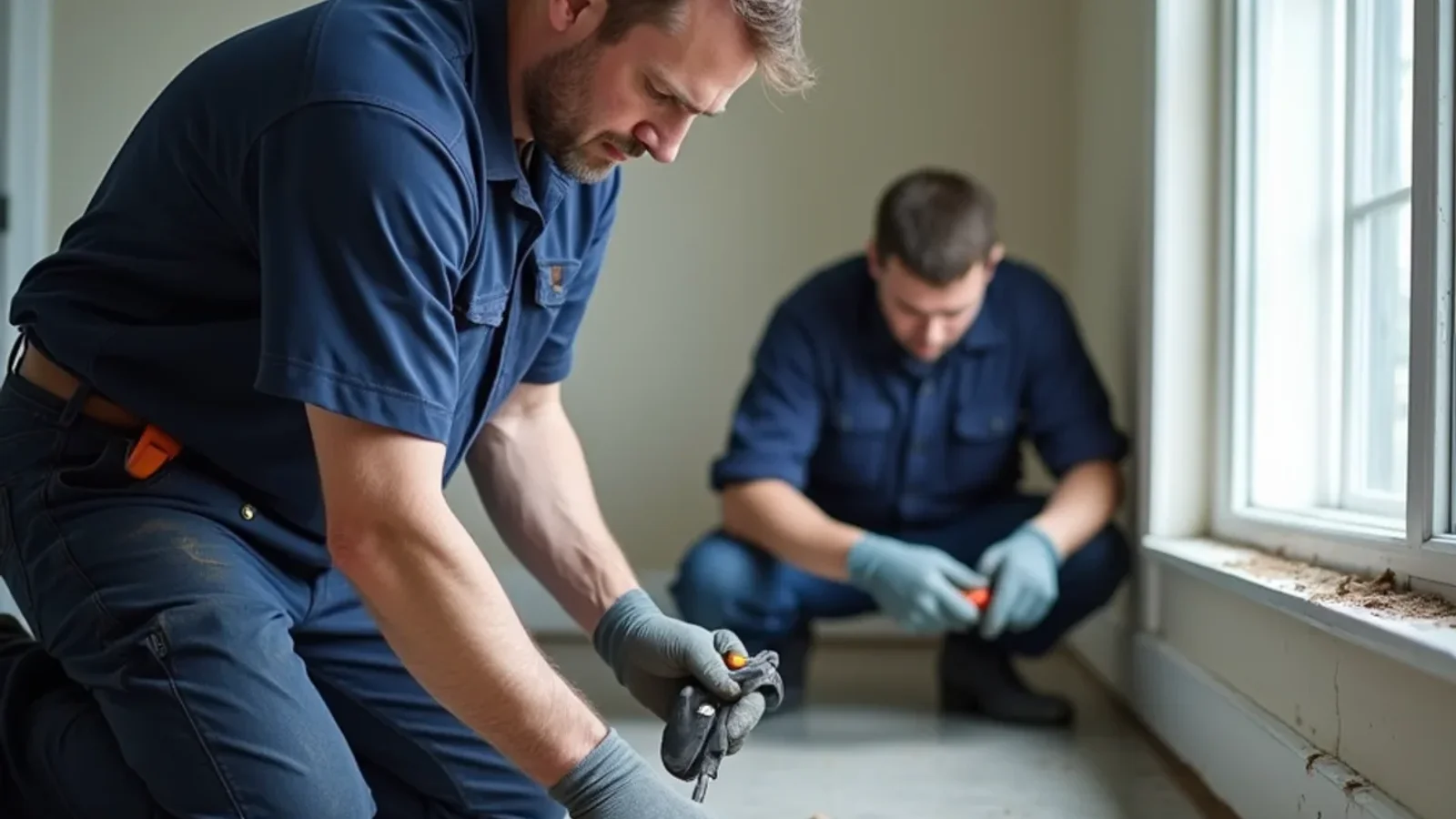
The Financial Stakes of Commercial Water Losses in Greater Orlando
For commercial enterprises operating across Central Florida—from corporate medical plazas in Lake Mary and professional office towers in Maitland to bustling retail plazas and hospitality venues along International Drive—a sudden water intrusion is rarely just a facility repair issue; it is a direct threat to business survival. According to FEMA and business continuity research, over 40% of small businesses never reopen following a catastrophic flood or major infrastructure failure.
While structural restoration costs may reach $20,000 to $75,000, business interruption losses—including daily lost customer revenue, payroll obligations for displaced employees, contractual delivery penalties, and supply chain spoilage—can rapidly escalate past $10,000 to $50,000 per day. In Orlando's competitive economic environment, commercial property managers, facility directors, and business owners cannot afford ad-hoc emergency responses. A formalized Commercial Water Damage Continuity Plan transforms panic into an engineered, step-by-step operational recovery.
Phase 1: Pre-Loss Preparedness and the Master Facility Emergency Map
A successful business continuity recovery begins months before a pipe ruptures. The foundation of commercial water preparedness is the creation of a digitized, laminated Master Facility Emergency Map accessible to all shift supervisors and security personnel:
1. Isolation Valve Mapping: Document and clearly tag the exact physical locations of all primary domestic water shutoffs, commercial fire sprinkler riser control valves (OS&Y valves), chilled-water HVAC loop isolators, and backflow preventers. In a multi-tenant retail plaza or multi-story office building, knowing how to isolate a single tenant's water supply without triggering a building-wide fire alarm supervisory signal saves tens of thousands of gallons in water discharge. 2. Server Room and Mission-Critical Asset Hardening: IT server rooms and electrical main distribution panels (MDPs) should never be located directly beneath rooftop air handlers or kitchen plumbing lines without secondary overhead catch pans and early-warning water sensor pucks. 3. Pre-Disaster Emergency Response Agreements (ERA): Establish a standing priority response agreement with a qualified commercial restoration contractor. During catastrophic regional storms or severe cold snaps, restoration resources become scarce; an ERA guarantees designated response windows, standardized pre-negotiated commercial pricing, and immediate mobilization of high-capacity drying fleets.
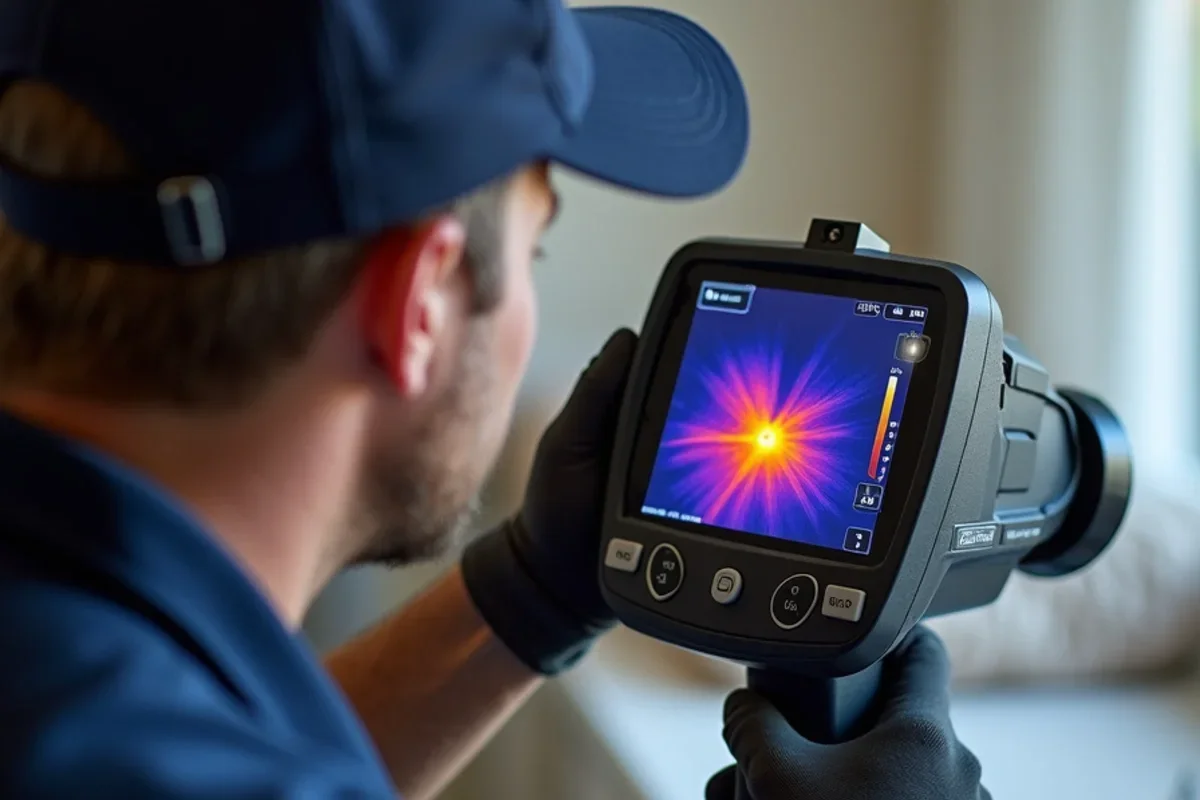
Dealing With an Emergency Water Loss Right Now?
Don't let water damage escalate into structural mold. Our Orlando dispatch team operates 24 hours a day, 7 days a week with live response.
Phase 2: The First 60 Minutes—Emergency Containment and Critical Triage
When a pressurized commercial line fails or a roof membrane punctures during an Orlando thunderstorm, the first 60 minutes determine whether the facility can partially operate or faces mandatory closure:
Step 1: Immediate Source Elimination & Mechanical Isolation: Facility personnel must execute immediate valve closure while coordinating with municipal utilities or building engineering. Step 2: Electrical Hazard Assessment: Facility staff must de-energize electrical floor boxes, cubicle power raceways, and sub-panels in affected zones before any personnel or cleanup crews enter standing water. Step 3: Document and Server Protection: If water is actively migrating toward computer server racks or paper file archives, deploy plastic sheeting immediately and initiate document freeze-drying protocols to prevent ink dissolution and microbial paper degradation. Step 4: Zoned Plastic Containment: Certified commercial restorers erect floor-to-ceiling 6-mil polyethylene barrier walls equipped with zippered access doors to seal off flooded zones. By establishing negative air pressure using industrial HEPA air scrubbers venting to the exterior, the contaminated environment is completely isolated, allowing unaffected office departments, retail showrooms, or dining spaces to maintain daily revenue operations safely.
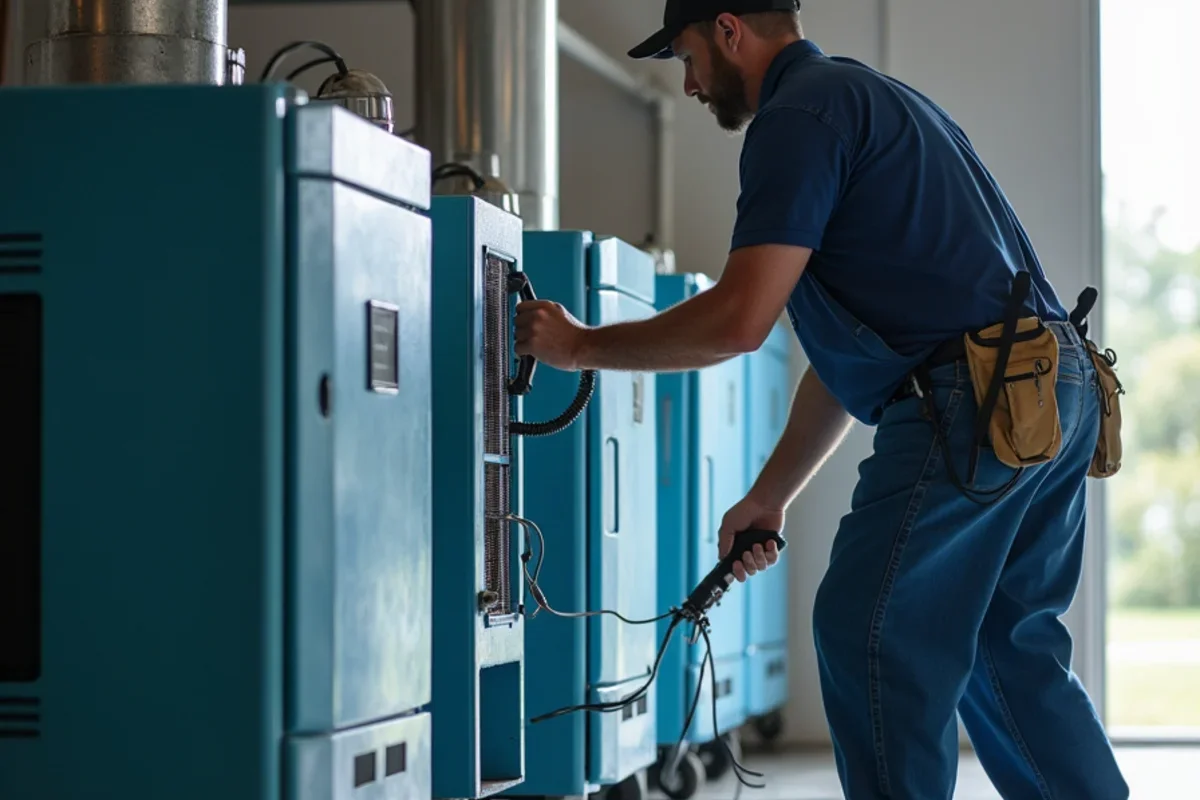
Phase 3: Industrial High-Volume Extraction and Desiccant Psychrometric Drying
Commercial facilities present structural drying challenges fundamentally different from residential homes. Commercial buildings incorporate heavy concrete subfloors, commercial-grade glue-down carpeting, vinyl composition tile (VCT), structural steel framing, and multi-tenant plenum ceilings.
Standard residential dehumidifiers cannot handle the cubic footage of commercial spaces. Professional commercial restorers deploy large-scale trailer-mounted or portable desiccant dehumidifiers producing 2,500 to 10,000 CFM (cubic feet per minute) of intensely dry air, capable of reducing relative humidity below 15% and moisture vapor pressure to near zero. High-volume ride-on extraction rovers physically extract up to 90% of water from glued commercial carpets without tearing up flooring, while injected cavity drying systems force heated dry air into drywall partitions and elevator shafts, returning the facility to safe structural equilibrium within 48 to 72 hours.
Phase 4: Regulatory Compliance, Health Mandates, and Insurance Claims
Restoring a commercial facility requires strict adherence to legal and regulatory frameworks governing workplace safety and public health:
1. OSHA and Florida Department of Health Mandates: Under OSHA 29 CFR 1910, employers have a legal general duty to provide a workplace free from recognized hazards, including toxic mold spores and bio-contaminants. In restaurants, commercial kitchens, and grocery facilities, any intrusion of Category 2 or Category 3 water mandates immediate cessation of food preparation, destruction of exposed foodstuffs, and mandatory sanitization before the Florida Department of Agriculture or DBPR permits reopening. 2. Commercial Lease Division of Responsibility: In triple-net (NNN) or gross commercial leases, conflict frequently arises between the landlord and commercial tenant over who pays for water extraction versus build-back. Generally, landlords are responsible for core building envelopes and common-area risers, while tenants are responsible for leasehold improvements, tenant trade fixtures, and inventory. Professional restoration contractors author separate itemized estimates for landlord property managers and tenant risk managers to streamline multi-carrier subrogation. 3. Commercial Insurance and Business Interruption (BI) Scopes: Commercial property policies are split into Building, Business Personal Property (BPP), and Business Income / Extra Expense coverage. To substantiate a business interruption claim, facility managers must maintain meticulous records of ongoing payroll, temporary relocation rent, and historical revenue logs. Restoration professionals author standardized, audited Xactimate commercial estimates with daily psychrometric dry logs, providing corporate forensic accountants and insurance adjusters with incontrovertible technical proof to expedite multi-million-dollar claim settlements.
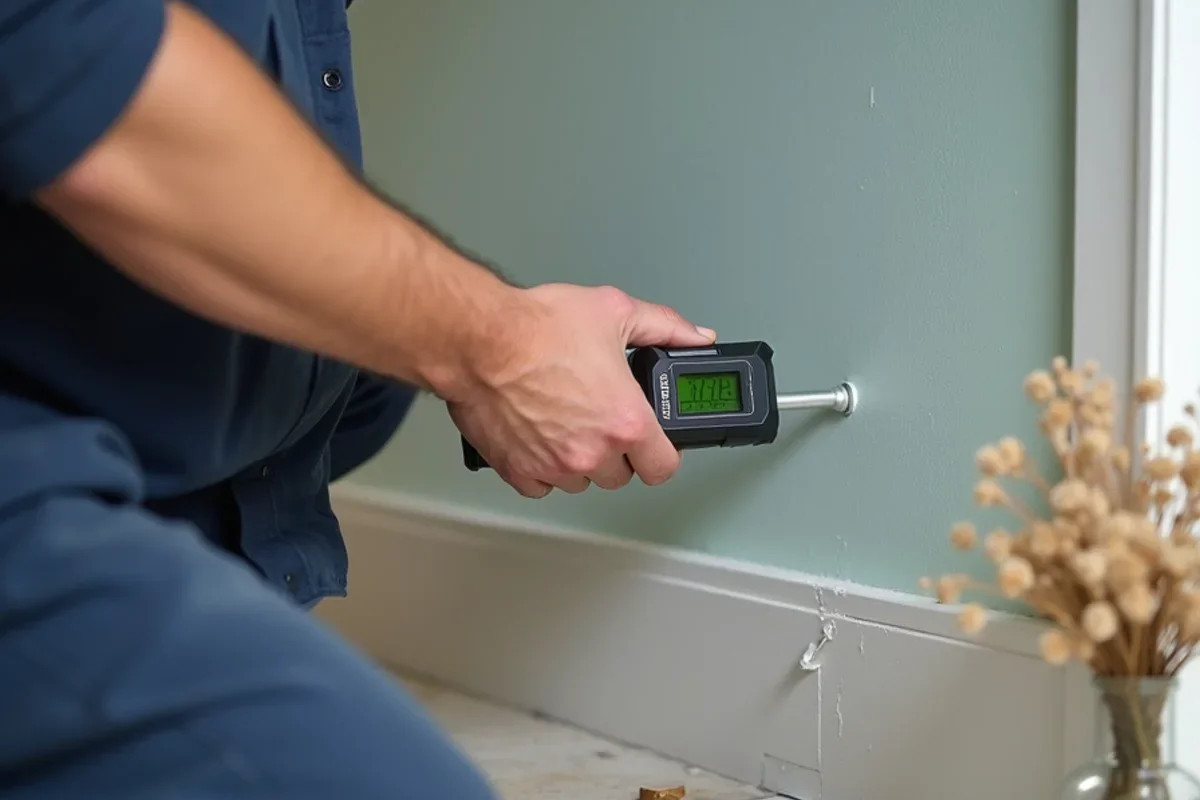
Related Restoration Services & Service Areas Mentioned in This Guide
Frequently Asked Questions: commercial water damage restoration
Answers to common questions regarding timelines, insurance coverage, and Florida moisture management.
Need On-Site Water Damage Assistance?
Speak with an experienced restoration specialist right now. We dispatch certified technicians 24/7 across Central Florida.