
The Fundamental Rule: Sudden and Accidental vs. Gradual Seepage in Florida
For Florida homeowners navigating water damage, the most important sentence in your insurance policy is the definition of a covered peril: standard HO-3 policies cover water damage that is 'sudden and accidental.' A burst supply line under a sink, a split washing machine hose, a cracked water heater tank, or a pressurized line failure in the attic are textbook examples of sudden and accidental discharges. In these scenarios, your policy covers the emergency water extraction, structural dehumidification, drywall removal, and reconstruction of damaged building assemblies.
Conversely, Florida policies strictly exclude damage caused by 'continuous or repeated seepage or leakage.' Under Florida standard policy language and judicial precedent, if water has been escaping from a plumbing system over a period of 14 days or more—even if the leak was completely hidden inside a wall cavity or beneath a concrete slab foundation—insurance carriers can legally deny the claim under the 14-day seepage exclusion. This makes immediate discovery and technical documentation of a fresh plumbing breach essential to establishing that the loss was sudden.
How Senate Bill 2-A Transformed Florida Property Claims
Florida's property insurance market has undergone massive legislative overhauls, most notably through Senate Bill 2-A (SB 2-A) enacted during the special legislative sessions. Homeowners must understand three critical changes that directly govern how water claims are handled in 2026:
1. Complete Prohibition of Assignment of Benefits (AOB): Under prior law, homeowners could sign an AOB agreement, allowing a restoration contractor or plumber to 'step into the policyholder's shoes' and bill the insurance company directly. In 2026, AOBs are completely banned for residential property insurance. The policyholder retains sole legal authority and responsibility for filing the claim, communicating with the adjuster, and directing funds.
2. Elimination of One-Way Attorney Fee Shifting: Previously, Florida Statute 627.428 required insurers to pay the policyholder's legal fees if the policyholder won any disputed amount in court. SB 2-A eliminated this provision. Policyholders can no longer rely on contingency-fee litigation for minor claim disputes, making precise, uncontestable initial documentation from certified restoration professionals crucial.
3. Strict One-Year Notice Deadline (FS 627.70132): Florida law now requires policyholders to give formal notice of a property damage claim to their insurance company within one year of the date of loss. Reopened or supplemental claims must be submitted within 18 months.
Dealing With an Emergency Water Loss Right Now?
Don't let water damage escalate into structural mold. Our Orlando dispatch team operates 24 hours a day, 7 days a week with live response.
The Three Buckets of Water Losses: What Is and Isn't Covered
To understand your financial protection, categorize your water intrusion into one of three distinct insurance buckets:
Bucket 1: Internal Plumbing Discharges (Covered Under HO-3): Sudden ruptures of clean water lines, appliance supply tubes, and HVAC overflows. While the damaged section of pipe itself is often excluded as routine plumbing wear-and-tear, the resulting 'consequential water damage' to walls, flooring, subflooring, and cabinetry is fully covered under Dwelling (Coverage A) and Personal Property (Coverage C), minus your deductible.
Bucket 2: Sewer and Drain Backups (Excluded Without an Endorsement): Water or sewage that backs up through internal toilets, showers, or municipal drain mains is strictly excluded from standard HO-3 policies. Coverage requires an optional 'Water Backup and Sump Overflow Endorsement' rider, which provides a dedicated sub-limit typically between $5,000 and $25,000.
Bucket 3: Rising Surface Floodwater (Excluded From HO-3): Water that touches the ground before entering your home—including overflowing lakes, storm surge, tidal backflows, or torrential sheet runoff—is classified as 'flood.' Homeowners policies never cover flood damage. You must hold a separate policy through the National Flood Insurance Program (NFIP) or a private flood underwriter.
Understanding Policy Water Caps and Managed Repair Programs
In response to rising claim volumes across Central Florida, many private insurance carriers and Citizens Property Insurance Corporation have implemented policy endorsements that place strict caps on non-weather water damage claims. The most common endorsement is a $10,000 Water Damage Limit.
Under this clause, total reimbursement for emergency mitigation and structural drying is often capped at $3,000, with the remaining $7,000 allocated for permanent repairs. Some carriers include a 'Managed Repair Program' (MRP) clause: if you agree to use the insurer's designated contractor network, the carrier waives the $10,000 cap and covers the full loss. If you choose an independent contractor, payouts remain strictly capped. Homeowners should review their policy declarations page with their restoration contractor during initial intake to verify whether an MRP or water sub-limit applies.
The Policyholder's Legal Duty to Mitigate: Protecting Your Claim
Every Florida homeowners insurance contract contains an affirmative 'Duties After Loss' section. The most legally enforceable duty is the policyholder's obligation to protect the property from further damage. If an angle stop breaks and you turn off the water but leave saturated carpets and soaked drywall sitting in 85°F Florida heat for three days while waiting for an adjuster to arrive, the carrier can legitimately deny subsequent mold remediation and structural framing repairs under the policy neglect exclusion.
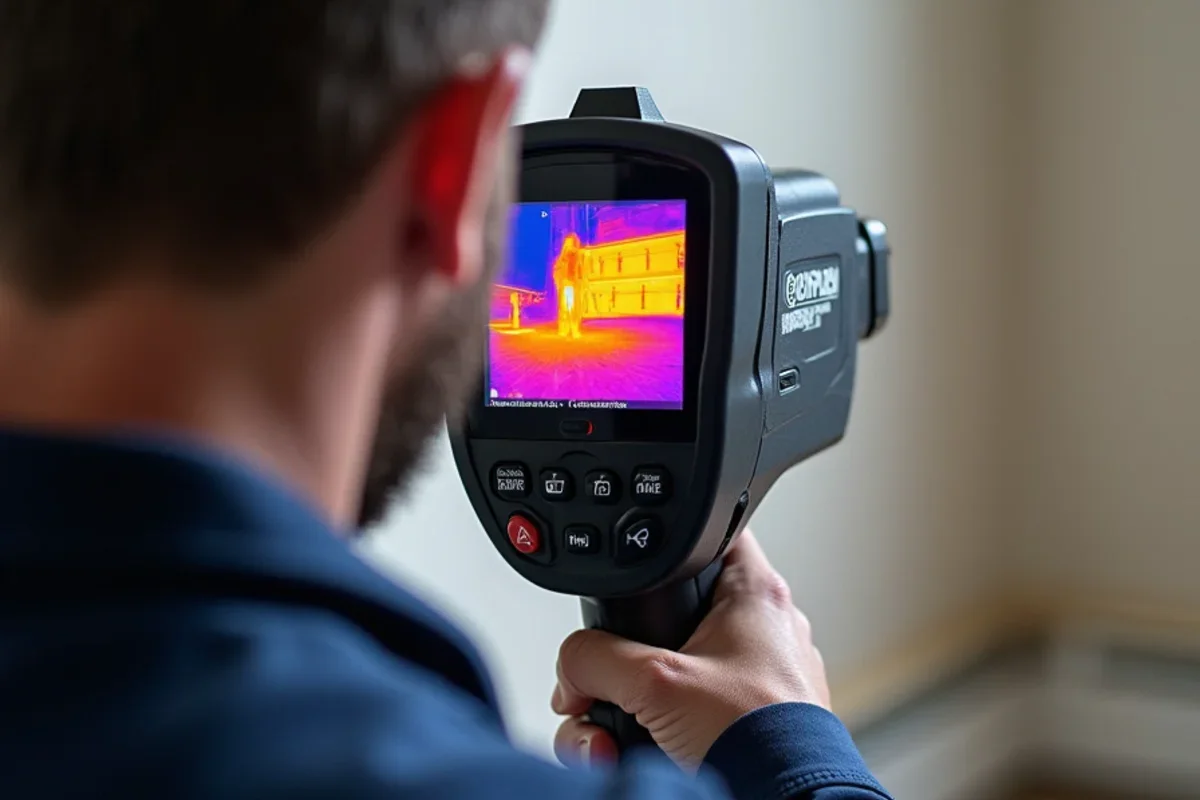
You do not need to wait for an adjuster's permission to begin emergency water extraction and structural drying. Professional restoration companies provide the exact evidence package required by Florida claims examiners: time-stamped thermal imaging scans proving the water boundary, daily psychrometric logs showing continuous moisture extraction, and itemized Xactimate estimates compliant with carrier auditing software.
Related Restoration Services & Service Areas Mentioned in This Guide
Frequently Asked Questions: does homeowners insurance cover water damage florida
Answers to common questions regarding timelines, insurance coverage, and Florida moisture management.
Need On-Site Water Damage Assistance?
Speak with an experienced restoration specialist right now. We dispatch certified technicians 24/7 across Central Florida.