
Orlando's Karst Hydrology: The Physics of Waterfront and Chain-of-Lakes Living
Living along Central Florida's premier freshwater shorelines—from the Butler Chain of Lakes in Windermere to the Winter Park Chain of Lakes, Lake Conway in Belle Isle, and Lake Tohopekaliga in Kissimmee—represents the pinnacle of Florida residential living. However, waterfront living introduces extreme hydrological vulnerabilities rooted in the region's unique geology.
Central Florida sits atop a porous karst limestone aquifer system characterized by thousands of ancient solution sinkholes that formed the area's hundreds of interconnected lakes. Many of these lakes have perched water tables and limited natural gravity outfalls. When torrential tropical rainfall or protracted summer convective storms hit the region, lake elevations rise rapidly. Unlike coastal communities where tidal surges recede within hours, inland lake levels frequently remain elevated for four to eight weeks, saturating surrounding residential soils and transforming manicured lakefront lawns into subterranean hydraulic pressure engines pushing against home foundations.
Hydrostatic Pressure and Foundation Seepage: The Upward Capillary Drive
When lake water levels rise above the elevation of a home's foundation footing, the surrounding soil becomes completely supersaturated. Under basic laws of soil mechanics, this groundwater saturation generates tremendous hydrostatic pressure—the physical force exerted by standing water against subterranean surfaces.
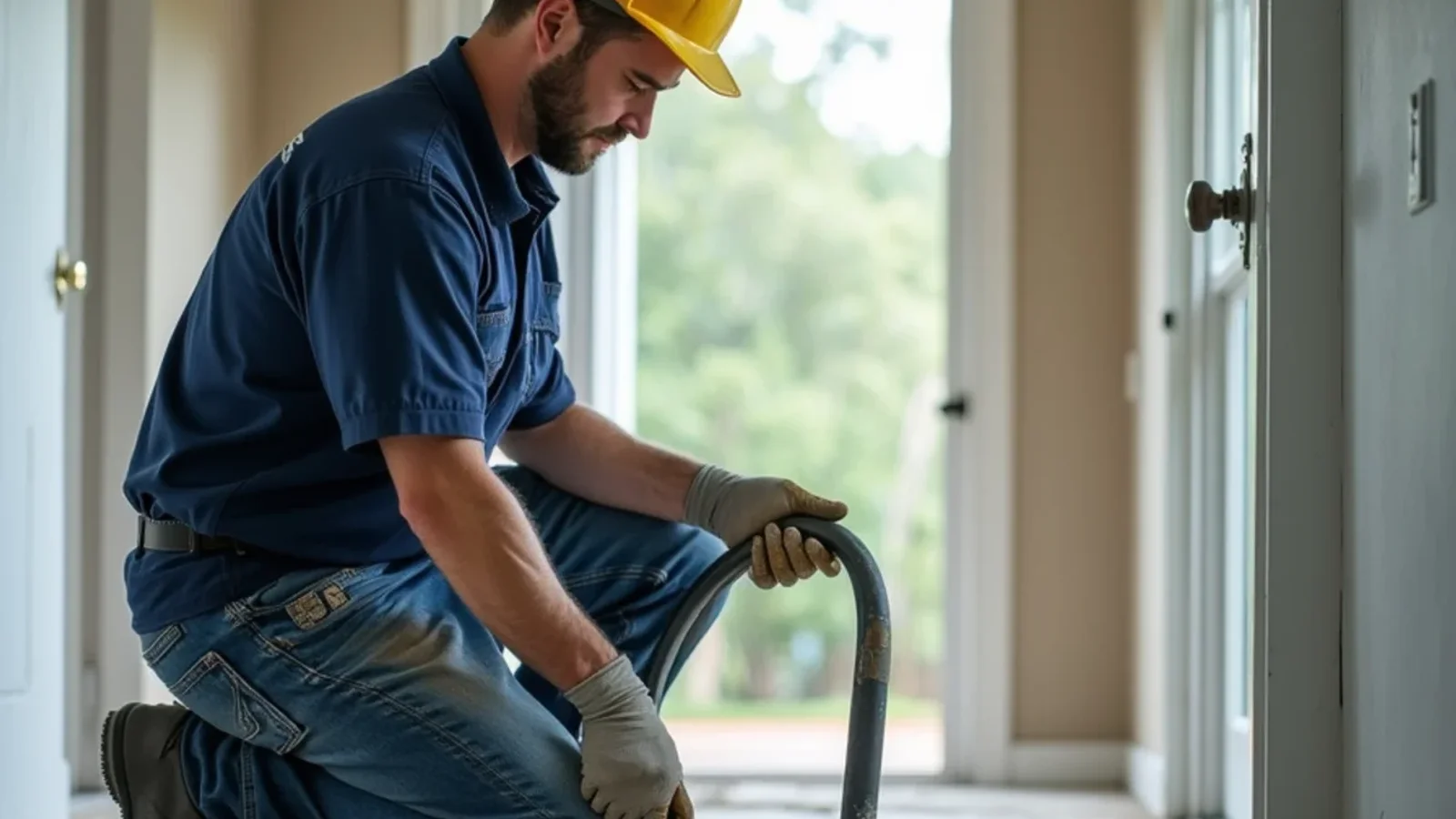
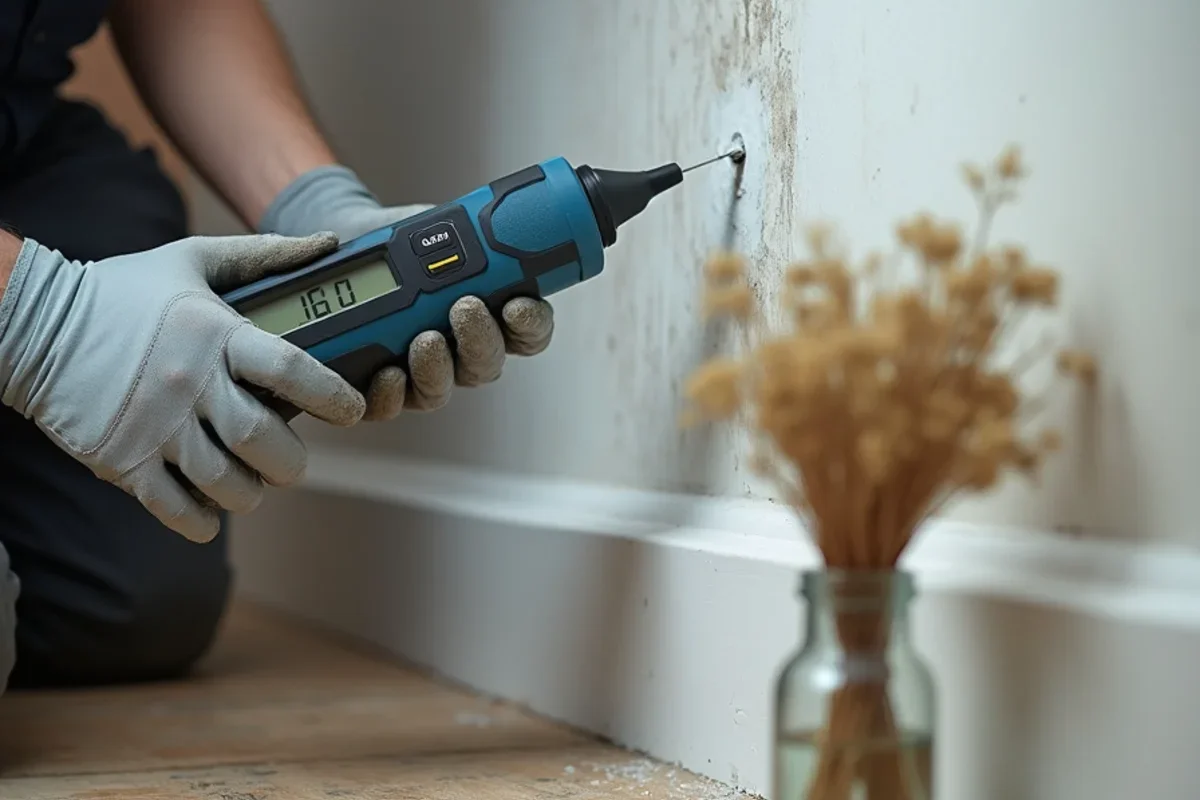
Most lakefront homes in Orange, Seminole, and Lake counties are built on monolithic concrete slabs or reinforced concrete stem-wall foundations. While concrete appears solid, it is actually a dense porous matrix permeated by microscopic capillary tubes. Hydrostatic pressure forces groundwater upward through cold joints (the seam between the foundation footing and slab), around PVC and copper rough-in pipe sleeves, and directly through micro-cracks in the concrete. Homeowners discover this not as a dramatic rushing flood, but as mystery moisture bubbling beneath glued engineered hardwoods, dark wet rings spreading across carpet perimeters, and mineral efflorescence crusts blooming through porcelain tile grout lines.
Dealing With an Emergency Water Loss Right Now?
Don't let water damage escalate into structural mold. Our Orlando dispatch team operates 24 hours a day, 7 days a week with live response.
Category 3 Black Water Biology: Why Lake Water Intrusion Is an Immediate Biohazard
A common and dangerous misconception among waterfront property owners is that pristine, spring-fed lake water entering a home is relatively 'clean.' In the science of property restoration and the ANSI/IICRC S500 Standard for Professional Water Damage Restoration, any water originating from an open natural surface body—regardless of how clear it looks—is classified strictly as Category 3: Grossly Contaminated Black Water.
Central Florida lake water carries high concentrations of microscopic pathogens, including cyanobacteria (blue-green algae), aquatic parasites, coliform bacteria, and dissolved agricultural or lawn fertilizer nutrients. When Category 3 lake water crosses a residential threshold, porous building materials cannot simply be dried in place. Saturated drywall, baseboards, door casings, carpet padding, and fiberglass insulation must be systematically removed and discarded a minimum of 12 to 24 inches above the highest moisture boundary. Attempting to dry lake-saturated drywall in place creates an aggressive biohazard chamber that cultivates pathogenic mold colonies within 24 hours.
Walkout Basements, Sloped Terrains, and Sump Pump Failures
While rare in flat coastal Florida, sloped lakefront topography around Windermere, Lake Minneola in Clermont, and Winter Park often features split-level architectural designs with daylight walkout basements, sunken living rooms, or subterranean boat garages. These below-grade living spaces face the highest risk of catastrophic groundwater breaches in the state.
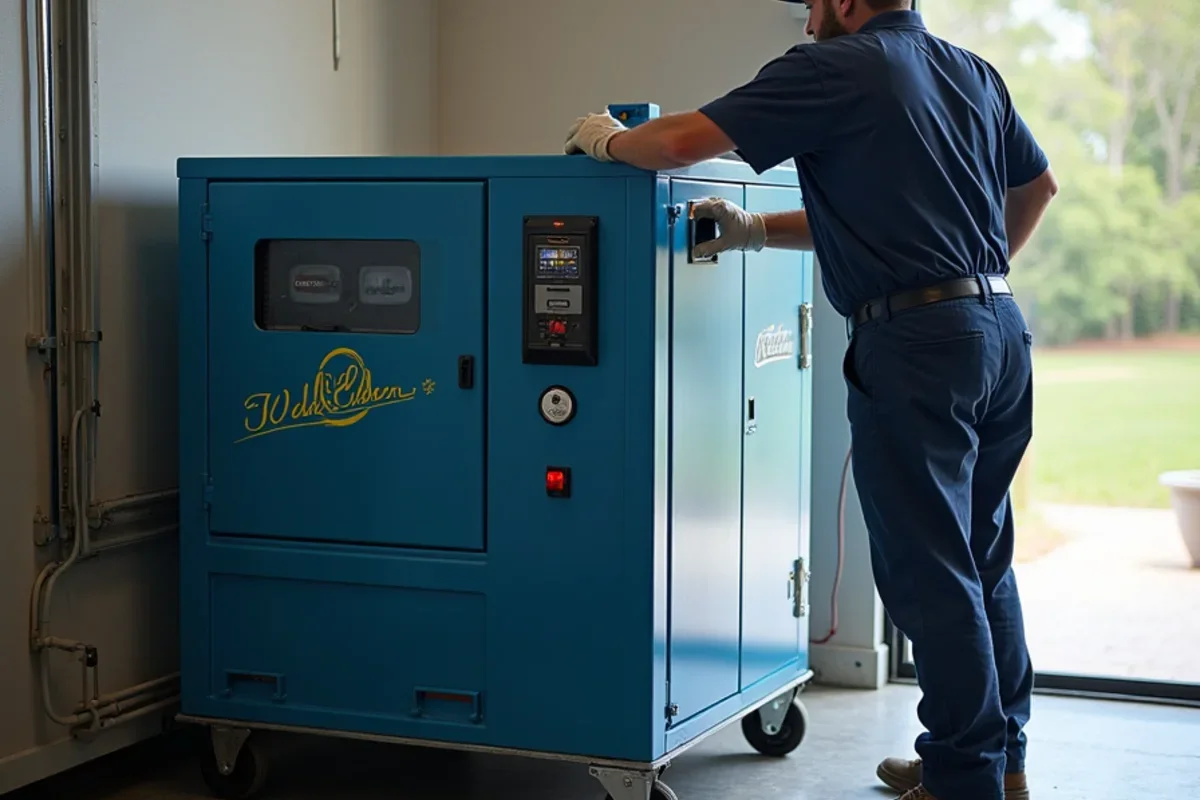
Subterranean foundations rely on exterior French drain perimeter trenches, rubberized waterproofing membranes, and mechanical sump pumps to relieve hydraulic pressure. During tropical storms and hurricanes, two catastrophic failures routinely coincide: torrential precipitation raises subterranean water tables to historic peaks, while simultaneous electrical grid blackouts cut power to primary sump pumps. Unless equipped with dual commercial-grade battery backup sump pumps and auxiliary generator interlocks, below-grade rooms quickly take on several inches to several feet of groundwater through foundation walls, causing catastrophic structural and content losses.
Insurance Minefields: Flood vs. Groundwater Exclusions and Forensic Scopes
Navigating insurance recovery following lake water intrusion is one of the most complex battlegrounds in Florida property claims. Standard Florida HO-3 homeowners insurance policies contain explicit exclusions for both surface flooding and subterranean groundwater pressure seepage. Meanwhile, a National Flood Insurance Program (NFIP) or private flood insurance policy requires proof of general surface inundation (the FEMA two-acre or two-property rule) to trigger coverage.
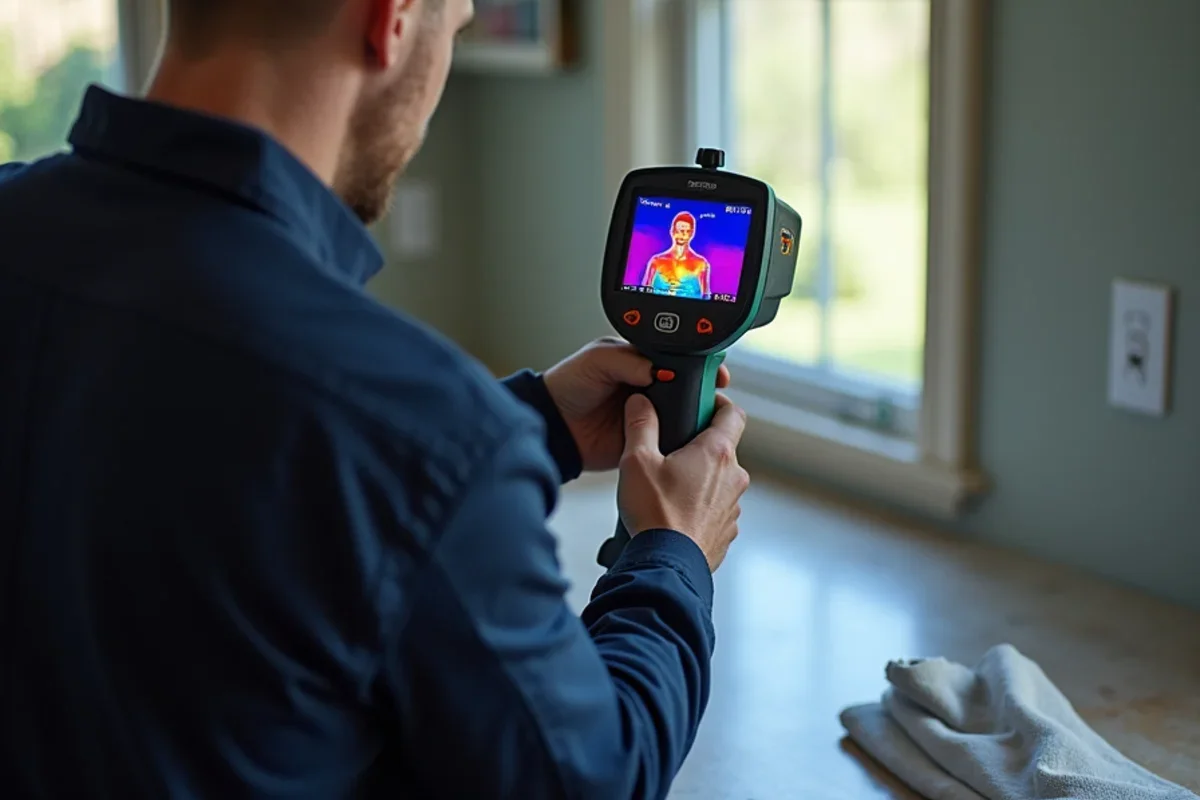
If lake water overflows its natural banks, travels across the surface of the lawn, and enters the front door, it qualifies as an actionable flood claim. However, if the lake level rises underground and forces water upward through the concrete slab without surface pooling, both the homeowners insurer and the flood carrier frequently deny the claim under 'subsurface water intrusion' exclusions. Surviving these coverage challenges demands immediate forensic documentation by certified restoration technicians: utilizing FLIR thermal imaging, elevation surveying, and time-stamped perimeter moisture mapping to objectively prove whether water entered via surface sheet flooding versus foundation cracks.
Following forensic documentation, professional restorers execute rigorous multi-stage decontamination: pressure washing structural concrete with EPA-registered broad-spectrum disinfectants, stripping affected drywall to 24 inches above the water mark, and deploying high-capacity Low Grain Refrigerant (LGR) dehumidifiers paired with air scrubbers running HEPA carbon filtration. This psychrometric setup pulls bound moisture out of the foundation slab while actively filtering airborne bio-aerosols and organic lake odors, returning the home to safe, certified baseline living conditions.
Related Restoration Services & Service Areas Mentioned in This Guide
Frequently Asked Questions: lakefront home water damage
Answers to common questions regarding timelines, insurance coverage, and Florida moisture management.
Need On-Site Water Damage Assistance?
Speak with an experienced restoration specialist right now. We dispatch certified technicians 24/7 across Central Florida.