
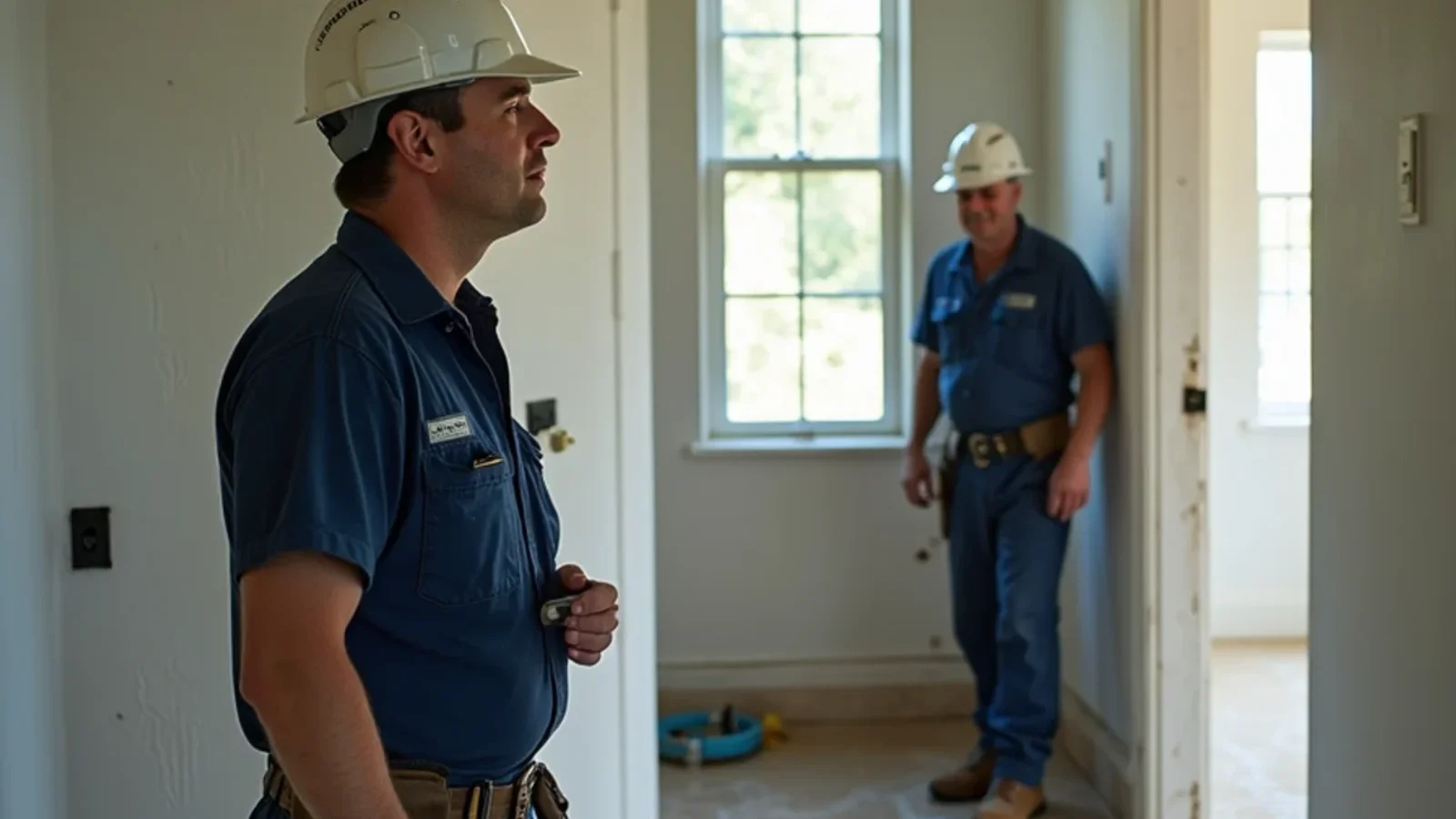
Orlando's Summer Rainy Season: Convective Storm Physics and Water Volume
From June 1 through September 30, Central Florida experiences a meteorological shift from moderate spring weather into an intense subtropical rainy season. During these four months, Orlando receives between 35 and 45 inches of precipitation—representing more than 70% of the region's entire annual rainfall. This moisture is delivered not as gentle showers, but as violent afternoon convective thunderstorms fueled by converging sea breezes from the Gulf of Mexico and the Atlantic Ocean.
These convective storms frequently dump two to four inches of rain within a compressed 45-minute window, accompanied by 40-to-60 mph microburst winds and intense cloud-to-ground lightning. This sheer volume overwhelms municipal storm sewers, neighborhood retention ponds, and residential roof gutter networks in minutes. When drainage channels back up, sheet water pools rapidly across driveways and patios, testing the structural water resistance of every home in Orange, Seminole, Osceola, and Lake counties.
Top 4 Building Envelope Vulnerabilities Exploited by Summer Downpours
The sudden volume and driving wind of Orlando's summer storms exploit subtle structural defects that remain invisible during dry winter months. Restoration contractors experience a dramatic call surge every July and August driven by four specific building envelope failures:
1. Roof Flashing and Neoprene Pipe Boots: Prolonged exposure to Florida's intense ultraviolet radiation degrades the flexible neoprene rubber collars sealing plumbing vent pipes penetrating the roof deck. During heavy summer downpours, water cascades down the vent pipe exterior directly into attic insulation and ceiling drywall. 2. Clogged Window Weep Holes: Sliding glass doors and vinyl window frames feature engineered weeping channels designed to drain wind-driven rain to the exterior. Over spring, these channels clog with oak pollen, dust, and debris. Trapped rainwater overflows the interior sill track, seeping under luxury vinyl plank (LVP) flooring and saturating drywall baseboards. 3. Hydrostatic Stucco Penetration: Hairline thermal cracks in exterior stucco or failed caulking around window expansion joints allow wind-driven rain to penetrate exterior walls, saturating interior insulation behind concrete masonry unit (CMU) walls. 4. AC Condensate Line Pan Overflows: Orlando air handlers operate up to 18 hours per day in midsummer, condensing 10 to 20 gallons of water daily. Summer algae blooms in stagnant drain lines cause sudden clogs, overflowing ceiling drain pans and sending gallons of water crashing through attic drywall.
Dealing With an Emergency Water Loss Right Now?
Don't let water damage escalate into structural mold. Our Orlando dispatch team operates 24 hours a day, 7 days a week with live response.
Central Florida Soil Dynamics: High Water Tables and Slab Moisture Migration
The water hazards of Orlando's rainy season are not limited to rain falling from above; they emerge equally from the ground beneath. While Central Florida's surface soils are largely porous sands, shallow subterranean clay lenses and dense hardpans prevent deep drainage, causing regional water tables to rise within inches of the ground surface by midsummer.
Most Orlando homes are constructed on monolithic concrete slab-on-grade foundations. When surrounding soils become completely saturated, hydrostatic pressure forces groundwater upward through the microscopic capillary pores of the concrete slab. In homes where under-slab poly vapor barriers have degraded or were punctured during plumbing rough-ins, bound moisture wicks upward into adhesive flooring layers. Homeowners notice this as mysterious cupping in engineered wood, lifting or buckling luxury vinyl planks, white powdery efflorescence blooming along tile grout lines, or damp, musty carpeting with no obvious plumbing leak.
Emergency Triage: Preventing Ceiling Collapses and Electrical Hazards
When a severe summer storm compromises your roof or window seals, immediate disciplined action during the first two hours prevents catastrophic structural destruction. The foremost danger during active roof leaks is gypsum drywall saturation: a standard four-by-eight-foot sheet of drywall can absorb several gallons of water, adding over 50 pounds of weight until it collapses under gravity without warning, destroying furniture and posing severe injury risks to occupants below.
If you observe a sagging, discolored ceiling blister, immediately place buckets beneath it and use a screwdriver or utility knife to pierce the center of the blister. Releasing the ponding water through a controlled drain hole prevents the entire drywall sheet from pulling free from ceiling joists. Next, locate your electrical panel and shut off breakers servicing wet rooms; never touch energized light switches or appliances located beneath dripping water. Finally, photograph the leak source and water accumulation from multiple angles to document storm-created opening evidence before deploying buckets and towels.
Florida Insurance Compliance: The 24-Hour Mitigation Duty Under FS § 627.70132
Navigating summer storm damage under Florida property insurance requires strict adherence to statutory duties. Following the comprehensive legislative reforms enacted in Senate Bill 2-A and Florida Statute § 627.70132, policyholders must provide formal notice of property loss to their insurer within one year, and the policy contract places an affirmative legal obligation on the insured to mitigate further damage immediately.
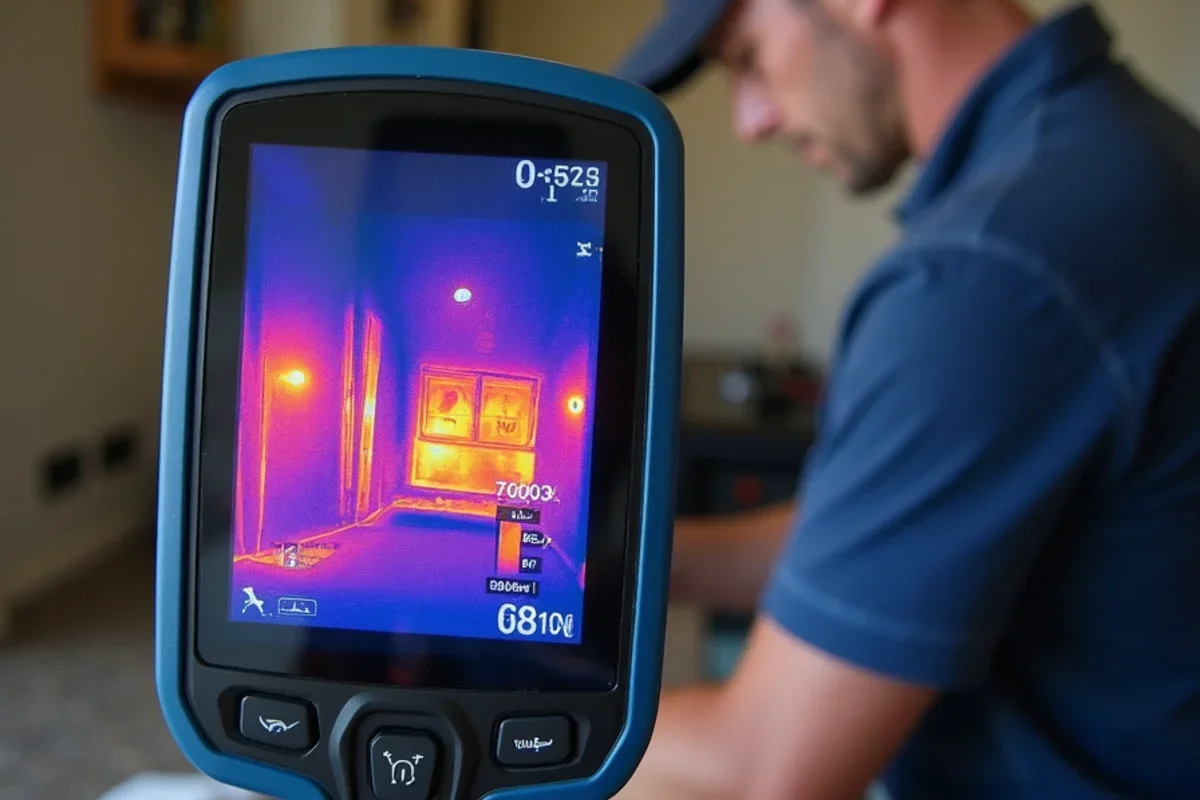
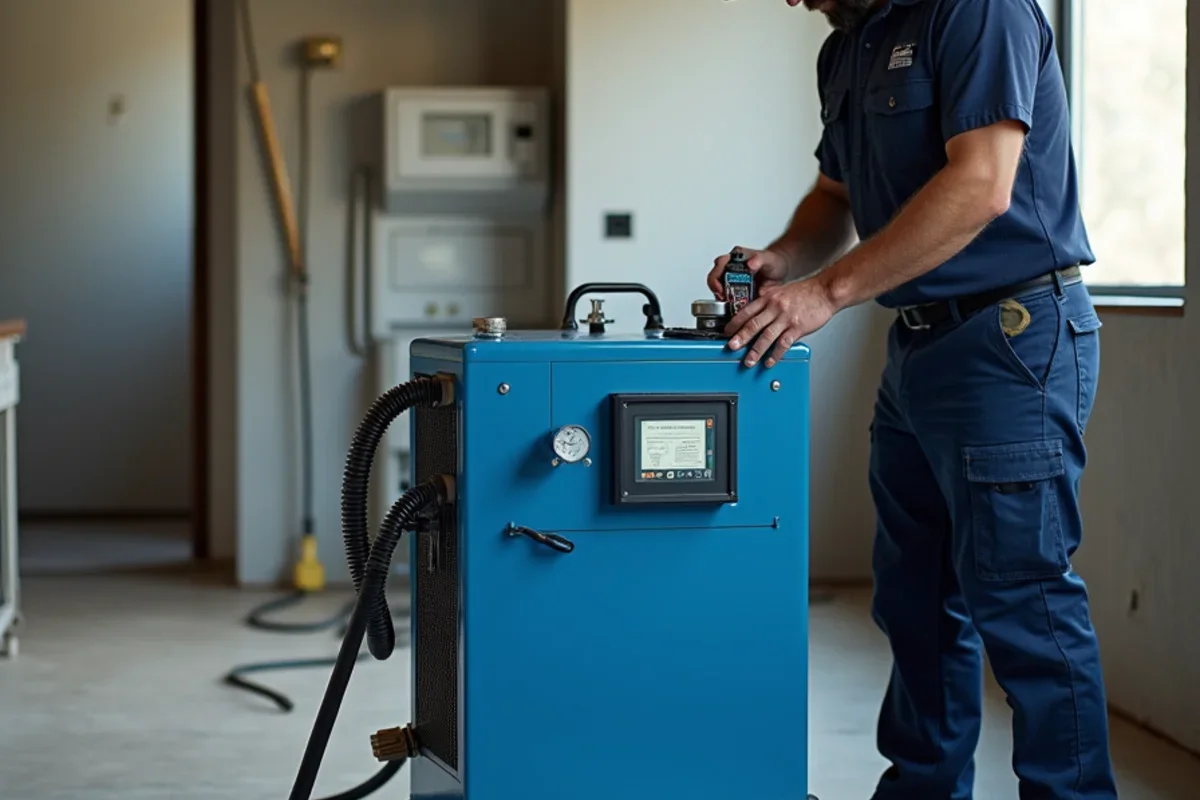
If a storm blows off shingles or damages soffits, an insurer can legally deny coverage for subsequent mold proliferation or interior water damage if the homeowner fails to execute prompt emergency mitigation. Professional restoration contractors provide rapid emergency roof tarping secured with batten strips, extract standing water, and deploy commercial Low Grain Refrigerant (LGR) dehumidifiers. Furthermore, restorers author itemized thermal imaging reports that objectively prove water intrusion resulted from sudden storm wind forces rather than pre-existing wear and tear, safeguarding your claim against improper coverage exclusions.
Related Restoration Services & Service Areas Mentioned in This Guide
Frequently Asked Questions: orlando rainy season water damage
Answers to common questions regarding timelines, insurance coverage, and Florida moisture management.
Need On-Site Water Damage Assistance?
Speak with an experienced restoration specialist right now. We dispatch certified technicians 24/7 across Central Florida.