
Orlando's Plumbing Timeline: Historic Build Eras and Latent Pipe Hazards
Central Florida's explosive residential growth across the 20th century created distinct generational building eras, each defined by the prevailing plumbing materials of its decade. Today, tens of thousands of homes across Orange, Seminole, and Osceola counties harbor aging, compromised pressurized supply pipes that represent ticking financial time bombs for homeowners.
Properties constructed prior to 1970—frequently found in established historic enclaves like Winter Park, College Park, Colonialtown, and early Pine Hills subdivisions—were plumbed predominantly with galvanized steel piping. Conversely, homes constructed during the rapid master-planned suburban expansions between 1978 and 1995—including early phases of Hunters Creek, MetroWest, Meadow Woods, and Deltona—relied heavily on polybutylene plastic piping (commonly marketed under the trade name 'Quest'). Both materials possess inherent metallurgical and chemical failure mechanisms that inevitably lead to catastrophic wall-cavity ruptures and severe structural water losses.
Polybutylene (Quest) Piping: Chemical Chlorine Degradation and Sudden Blowouts
Polybutylene (PB-2110) was hailed in the late 1970s as the cheap, flexible 'pipe of the future,' replacing expensive copper in millions of Sunbelt homes. However, material scientists and forensic restorers soon discovered a fatal chemical incompatibility between polybutylene resin and municipal drinking water treatments.
Municipal water utilities across Greater Orlando (including OUC, Toho Water Authority, and Seminole County Utilities) utilize chlorine and chloramines to sanitize public water supplies. Over years of exposure, free chlorine molecules chemically react with polybutylene polymer chains and acetal plastic insert fittings, leaching out plasticizers and initiating micro-fracturing along the pipe's inner wall. This micro-cracking propagates invisibly through the pipe thickness while the exterior appears completely intact. Eventually, under standard household operating pressures (50 to 80 PSI), the compromised wall suffers a catastrophic burst rupture, discharging up to 10 to 15 gallons of pressurized water per minute into attics, wall cavities, and under concrete slabs.

Dealing With an Emergency Water Loss Right Now?
Don't let water damage escalate into structural mold. Our Orlando dispatch team operates 24 hours a day, 7 days a week with live response.
Galvanized Steel Pipes: Internal Tuberculation, Flaking, and Pinhole Ruptures
In pre-1970 Orlando homes, galvanized steel supply lines present an equally destructive, though physically distinct, mode of structural failure. Galvanized pipe consists of structural iron coated in a protective surface layer of molten zinc. Over decades of contact with Central Florida's slightly acidic aquifer water, the sacrificial zinc lining completely dissolves, exposing bare iron to oxygenated water.
This triggers relentless internal corrosion known as tuberculation. Hard iron rust nodules and mineral scale accumulate inside the pipe bore, constricting water flow like plaque in an artery. Homeowners typically notice weak water pressure in showers and reddish-brown discolored water from faucets. Crucially, the pipe walls rust away from the inside out, particularly at threaded joint unions where the metal was cut thin during installation. Eventually, an imperceptible pinhole leak forms behind bathroom tile or inside a lath-and-plaster wall, steadily saturating framing timbers, wicking into subfloors, and cultivating concealed colonies of Stachybotrys mold for months before emerging as surface staining.
The Florida Insurance Crisis: 4-Point Inspections and Coverage Exclusions
The presence of polybutylene or older galvanized piping has become a primary driver of non-renewals and policy cancellations in the turbulent Florida property insurance marketplace. Because carriers have paid out hundreds of millions of dollars in catastrophic plumbing claims, underwriters enforce draconian standards during mandatory 4-Point Inspections (required on homes 20 to 30 years and older).
Most admitted Florida insurance carriers will flatly refuse to bind coverage on a residential property with active polybutylene supply lines. If a carrier agrees to write the risk, they routinely attach a restrictive water damage endorsement capping all plumbing-related water losses at $10,000 (inclusive of mitigation and rebuild) or insert a total water damage exclusion endorsement. For existing policyholders, a sudden polybutylene line rupture may be covered under standard 'sudden and accidental' terms for the initial loss, but the insurer will almost certainly issue an immediate non-renewal notice following claim resolution until the entire residence is repiped with modern PEX-a or copper.
Emergency Water Mitigation and Whole-Home Repipe Solutions
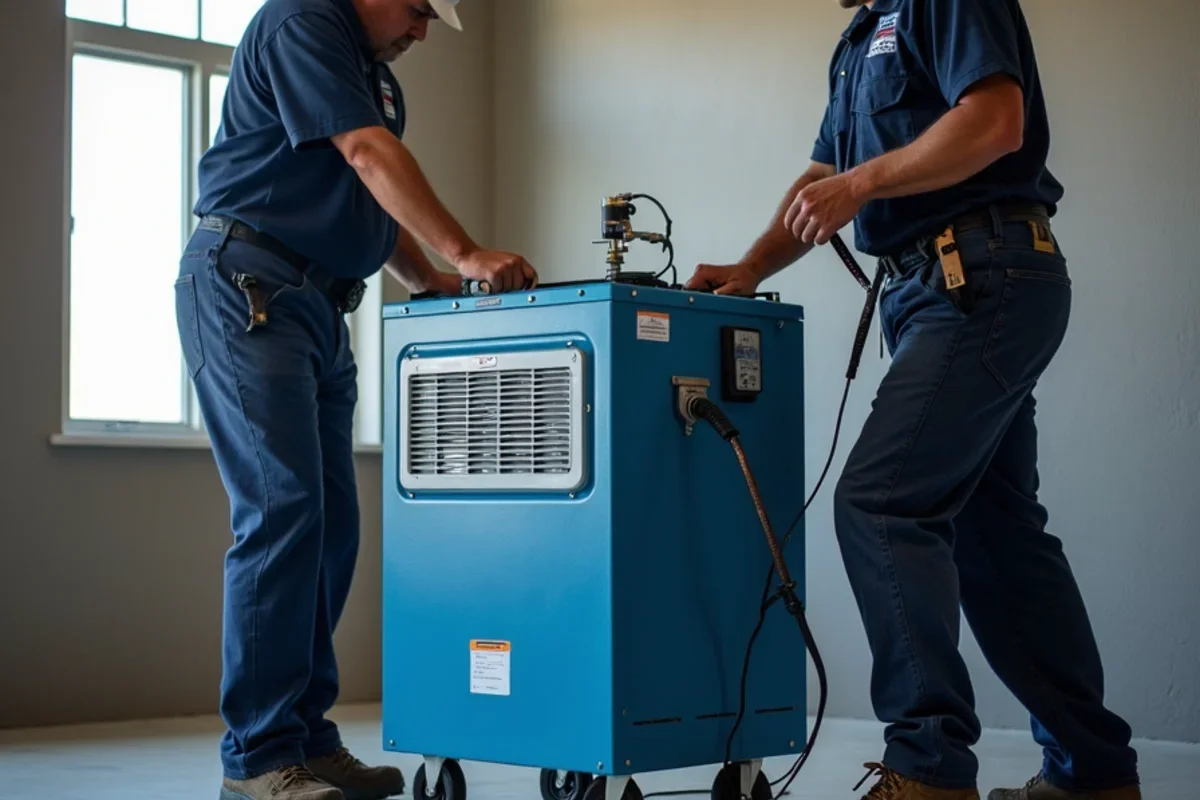
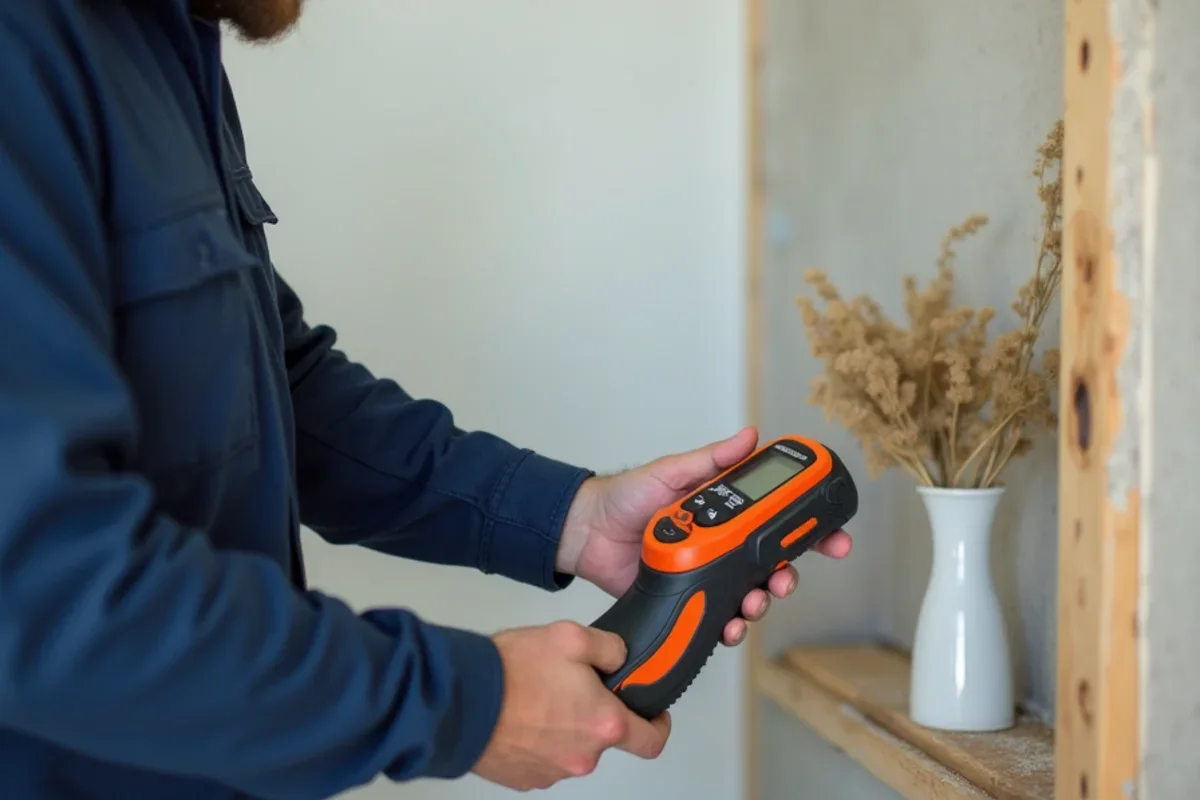
When an aging pipe ruptures, immediate mitigation is paramount to salvage building materials and prevent toxic fungal amplification. Certified restoration technicians deploy non-invasive FLIR thermal cameras and digital moisture meters to track water migration across framing and monolithic concrete slabs. Unsalvageable wet carpet padding and baseboards are removed, and commercial Low Grain Refrigerant (LGR) dehumidifiers are deployed to extract bound moisture before mold germinates.
Once emergency drying is complete, piecemeal repairs on polybutylene or galvanized lines are an exercise in futility; fixing one burst section merely transfers hydraulic pressure to the next weakest micro-fractured joint. Property owners must execute a comprehensive whole-home repipe. In Florida slab-on-grade homes, licensed plumbing contractors abandon old pipes in place within the concrete foundation and install flexible cross-linked polyethylene (PEX-A Uponor) tubing routed overhead through attic trusses and down into interior stud bays, providing a corrosion-immune plumbing infrastructure backed by 25-year manufacturer warranties. Restoration teams work hand-in-hand with repipe plumbers, providing itemized photographic logs and line-item scopes that clearly segregate covered water mitigation damage from non-covered plumbing pipe replacement costs for insurance adjusters.
Related Restoration Services & Service Areas Mentioned in This Guide
Frequently Asked Questions: polybutylene pipes florida
Answers to common questions regarding timelines, insurance coverage, and Florida moisture management.
Need On-Site Water Damage Assistance?
Speak with an experienced restoration specialist right now. We dispatch certified technicians 24/7 across Central Florida.