
Category 3 Black Water: Why Raw Sewage Is a Severe Health Emergency
Discovering raw sewage backing up through toilet bowls, shower pans, or floor drains in an Orlando home is an immediate medical and structural crisis. Under the Institute of Inspection, Cleaning and Restoration Certification (IICRC) S500 standard, sewage backups are classified as Category 3 black water—the most hazardous classification of indoor water intrusion. Category 3 water contains gross biological contamination, pathogenic agents, and toxic chemical compounds capable of causing severe illness or death upon contact or airborne inhalation.
Raw municipal sewage and septic effluent harbor millions of active microbial pathogens per milliliter. These include dangerous Gram-negative bacteria (such as Escherichia coli, Salmonella enterica, and Shigella), pathogenic viruses (including Rotavirus, Norovirus, and Hepatitis A), parasitic protozoa (such as Giardia lamblia and Cryptosporidium), and hazardous fungal spores. Furthermore, decomposing sewage generates hazardous bio-gases, including hydrogen sulfide (which produces a pungent rotten-egg odor and causes respiratory distress), ammonia, and combustible methane. In Central Florida's warm, humid indoor climate, these microbial populations multiply exponentially within hours, transforming an isolated bathroom backup into a whole-home biological contamination zone.
Is It Safe to Stay in Your Home After a Sewage Backup?
The short answer from industrial hygienists and public health officials is an unequivocal no—especially if the sewage intrusion affects central living areas, shared HVAC ductwork, or a home with only one bathroom. Remaining inside a contaminated structure exposes occupants to airborne bio-aerosols. When raw sewage pools on a floor, footsteps, splashing, or even the operation of the central air conditioning system cause microscopic droplets of contaminated water and bacterial endotoxins to become airborne, dispersing throughout the home's ventilation system.
Certain high-risk individuals must be evacuated immediately: infants, children, pregnant women, elderly adults, and individuals with compromised immune systems, asthma, or chronic respiratory conditions. Prolonged exposure can trigger severe gastrointestinal infections, toxic shock syndrome, acute respiratory inflammation, and dermatitis. If the backup is completely isolated behind a closed bathroom door with the HVAC system powered off and an alternate functioning bathroom available, temporary sheltering in unaffected rooms may be possible for a few hours, but full professional containment and off-site relocation are strongly recommended until certified sanitization is complete.
Dealing With an Emergency Water Loss Right Now?
Don't let water damage escalate into structural mold. Our Orlando dispatch team operates 24 hours a day, 7 days a week with live response.
Professional Containment, Regulated Disposal & Antimicrobial Disinfection
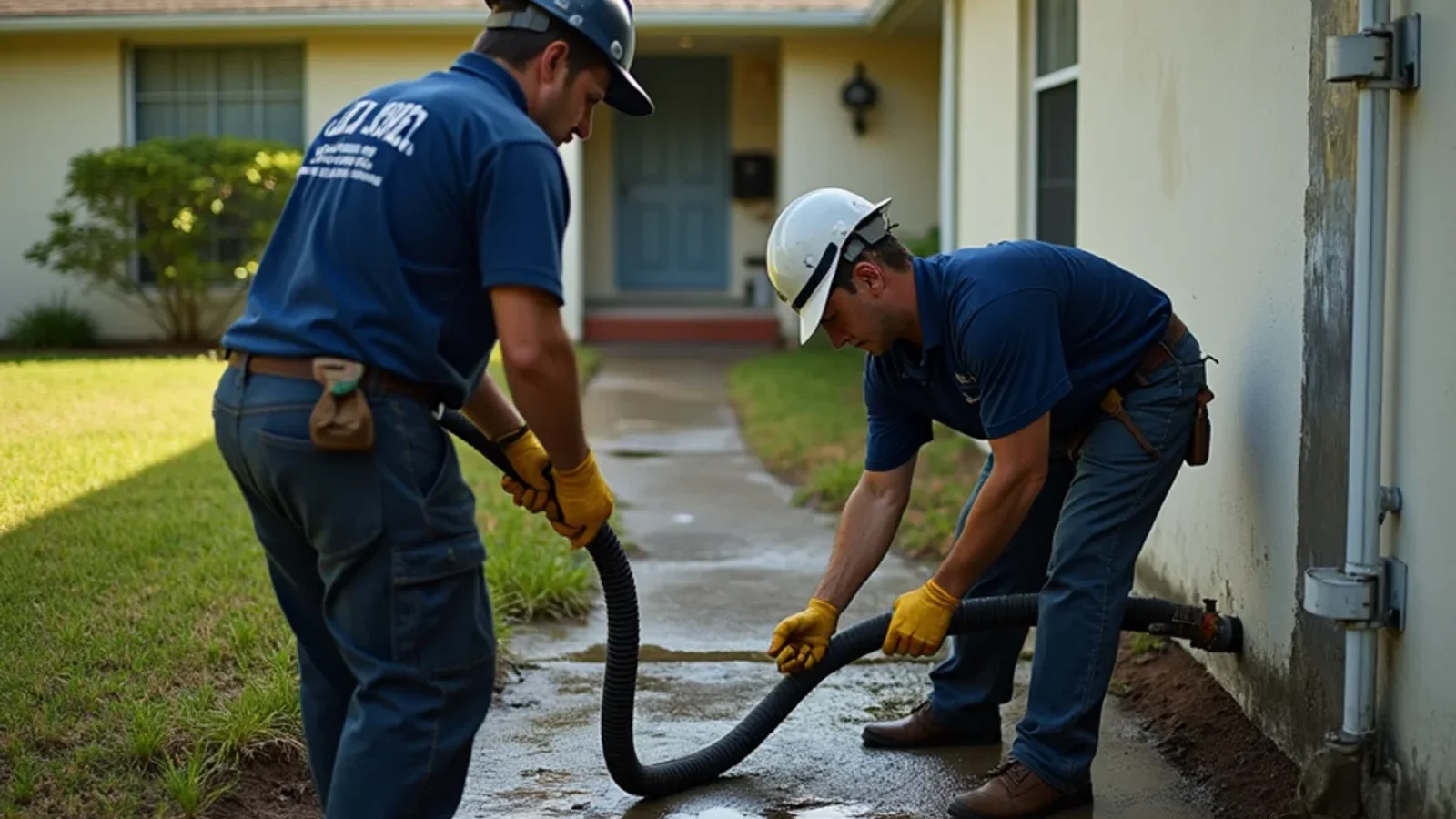
Remediating a Category 3 sewage loss cannot be accomplished with a mop, a bucket of bleach, or residential cleaning supplies. Household bleach is inactivated by organic soil loads and fails to penetrate deep concrete pores. Certified biohazard restoration teams adhere to strict protocol-driven remediation standards. Technicians arrive equipped with OSHA-compliant Personal Protective Equipment (PPE), including full Tyvek hazmat suits, heavy nitrile and puncture-resistant gloves, rubber boots, and full-face or half-face respirators equipped with HEPA and P100 organic vapor cartridges.
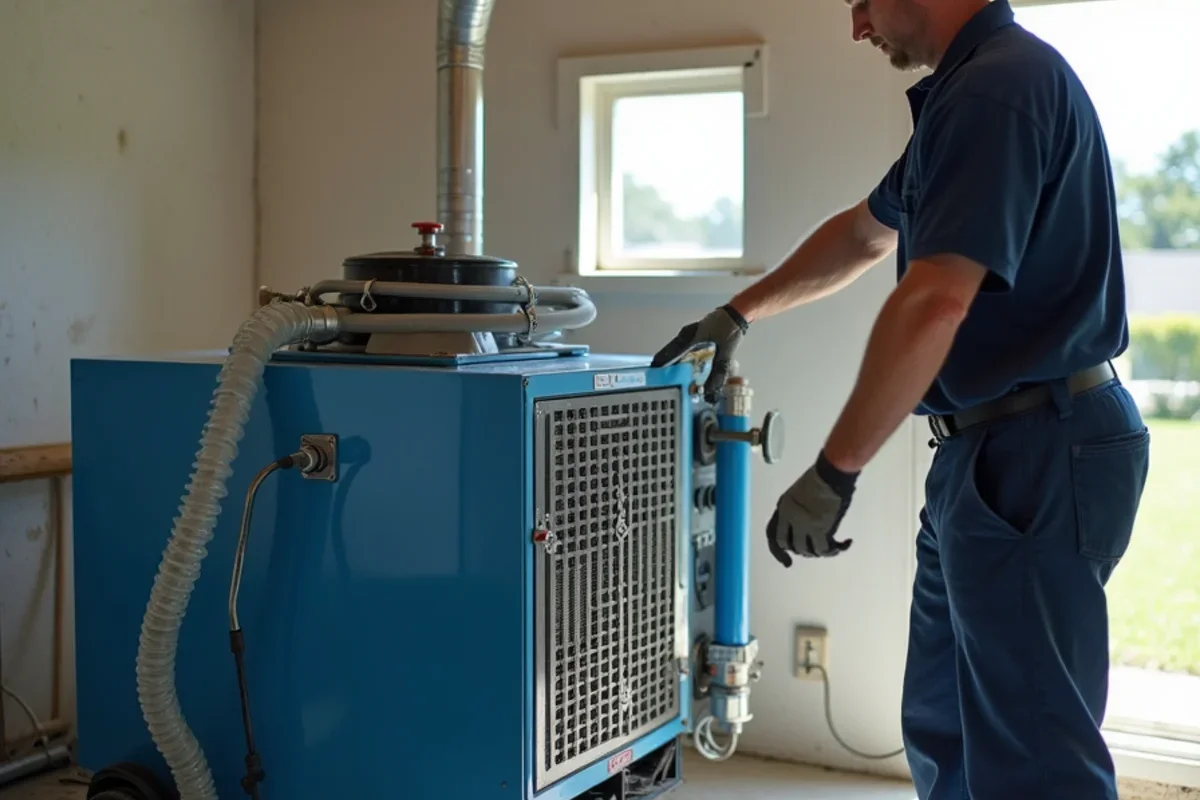
First, crews isolate the affected zone by establishing plastic zippered containment barriers under continuous negative pressure using commercial HEPA air scrubbers (Air Filtration Devices) to prevent bio-aerosols from migrating into clean bedrooms or kitchens. Second, high-powered vacuum units extract bulk liquid and solid waste directly into secure sanitary holding tanks. Third, all porous building materials that have absorbed contaminated water—including carpet, carpet underlayment, drywall up to a minimum of 24 inches above the waterline, baseboards, and fiberglass insulation—must be surgically removed, double-bagged in heavy biohazard containers, and disposed of according to local Florida waste regulations.
Finally, semi-porous structural elements such as concrete foundation slabs and framing studs undergo intense mechanical scrubbing using specialized detergent surfactants, followed by the application of hospital-grade, EPA-registered botanical virucidal, bactericidal, and fungicidal disinfectants. Once microbial clearance is achieved, commercial Low Grain Refrigerant (LGR) dehumidifiers are deployed to dry structural components to strict psychrometric standards.
Navigating Florida Insurance Claims for Sewage Backups
One of the most critical insurance realities Florida homeowners face is that standard HO-3 homeowner insurance policies specifically exclude water damage caused by sewer or drain backups unless an explicit policy endorsement was purchased. This coverage—typically titled the 'Water Backup and Sump Overflow Endorsement'—is an optional rider that must be added to your policy before a loss occurs. Endorsement coverage limits typically range from $5,000 to $25,000 for cleanup, structural drying, and personal property replacement.
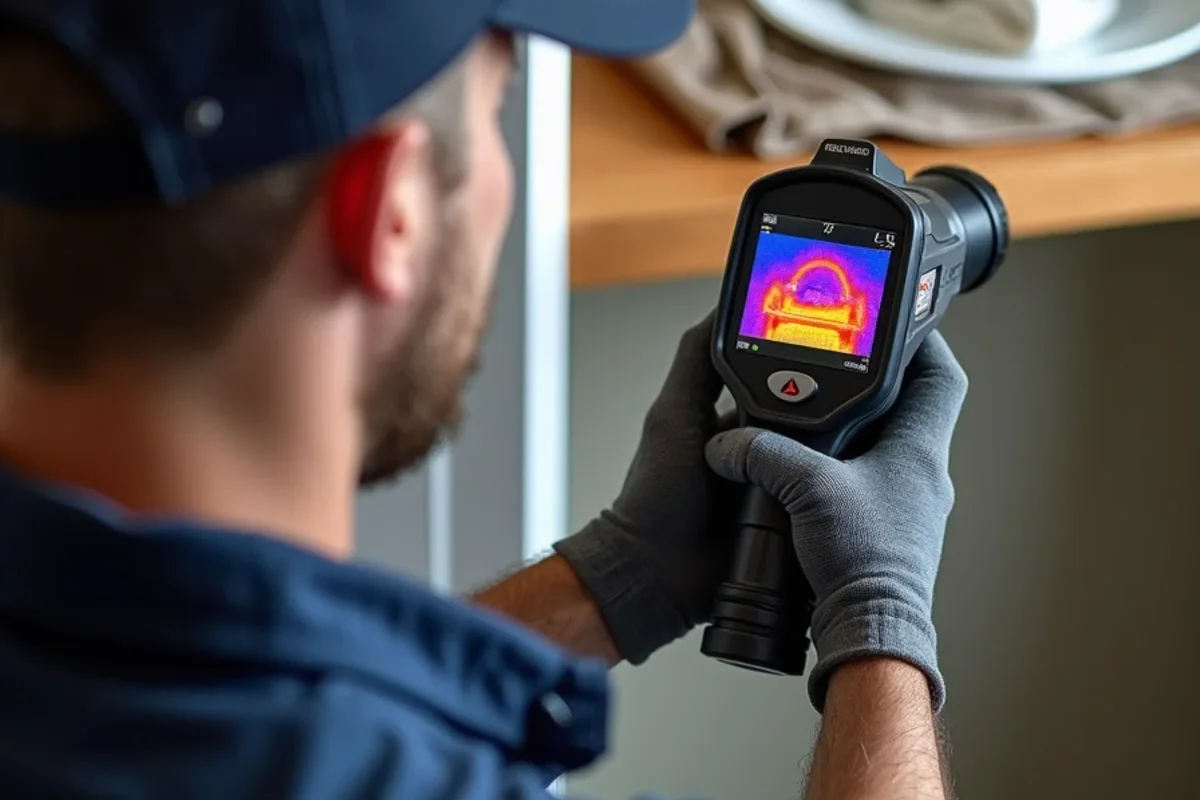
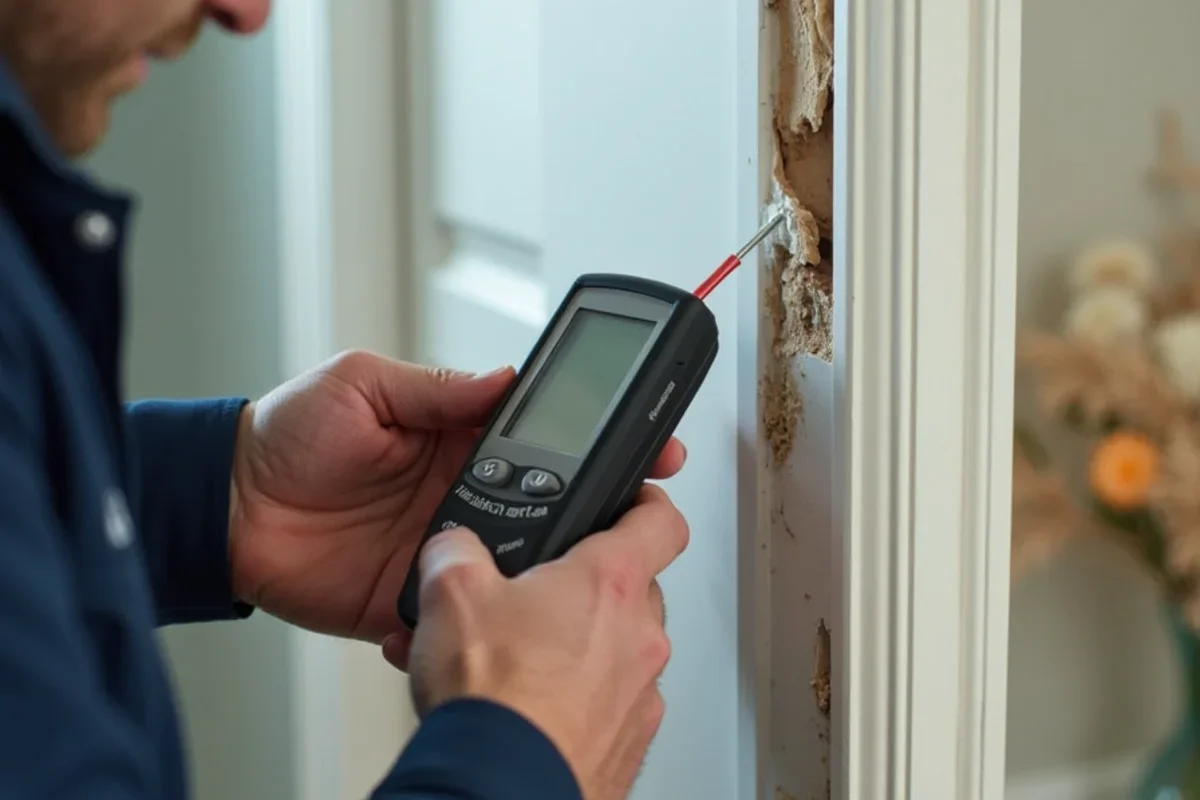
If you have a sewer backup endorsement, your policy's Loss of Use (Coverage D / Additional Living Expenses) may pay for reasonable hotel and dining expenses while your home undergoes biohazard containment and remediation. It is vital to determine whether the failure originated within your private sewer lateral (the pipe connecting your home to the street, which is the homeowner's legal responsibility) or within the municipal utility main (in which case the city or county utility may share liability). Professional restoration contractors compile comprehensive loss reports—including sewer line diagnostic camera footage, photographic biohazard documentation, and itemized Xactimate estimates—to maximize your legitimate claim recovery.
Common Causes and Prevention of Sewage Backups in Orlando
In Central Florida, sewage backups are typically triggered by three primary root causes: aging cast-iron drain lines, aggressive invasive tree roots, and municipal infrastructure surcharges during severe tropical weather. Thousands of mid-century homes in Orlando, Winter Park, and Pine Hills were built with cast-iron sewer lines that have exceeded their 50-year design lifespan. These pipes corrode along their bottom channels, forming jagged iron scale that snags toilet paper and solid waste until the line suffers a complete subterranean blockage.
Furthermore, fast-growing Florida trees (such as live oaks, camphor trees, and palms) send aggressive taproots through microscopic joints in clay or cracked cast-iron lateral pipes in search of water. Finally, during heavy summer downpours and hurricanes, municipal gravity sewers become overwhelmed by stormwater infiltration, causing street mains to surcharge backward into low-lying home plumbing fixtures. Installing an exterior sewer cleanout with a pressure-relief popper valve and a sewer backwater check valve on your main waste line prevents municipal sewage from ever forcing its way back into your home.
Related Restoration Services & Service Areas Mentioned in This Guide
Frequently Asked Questions: sewage backup in house
Answers to common questions regarding timelines, insurance coverage, and Florida moisture management.
Need On-Site Water Damage Assistance?
Speak with an experienced restoration specialist right now. We dispatch certified technicians 24/7 across Central Florida.