
The Absentee Dilemma: Why Central Florida Vacation Rentals Face Extreme Water Risk
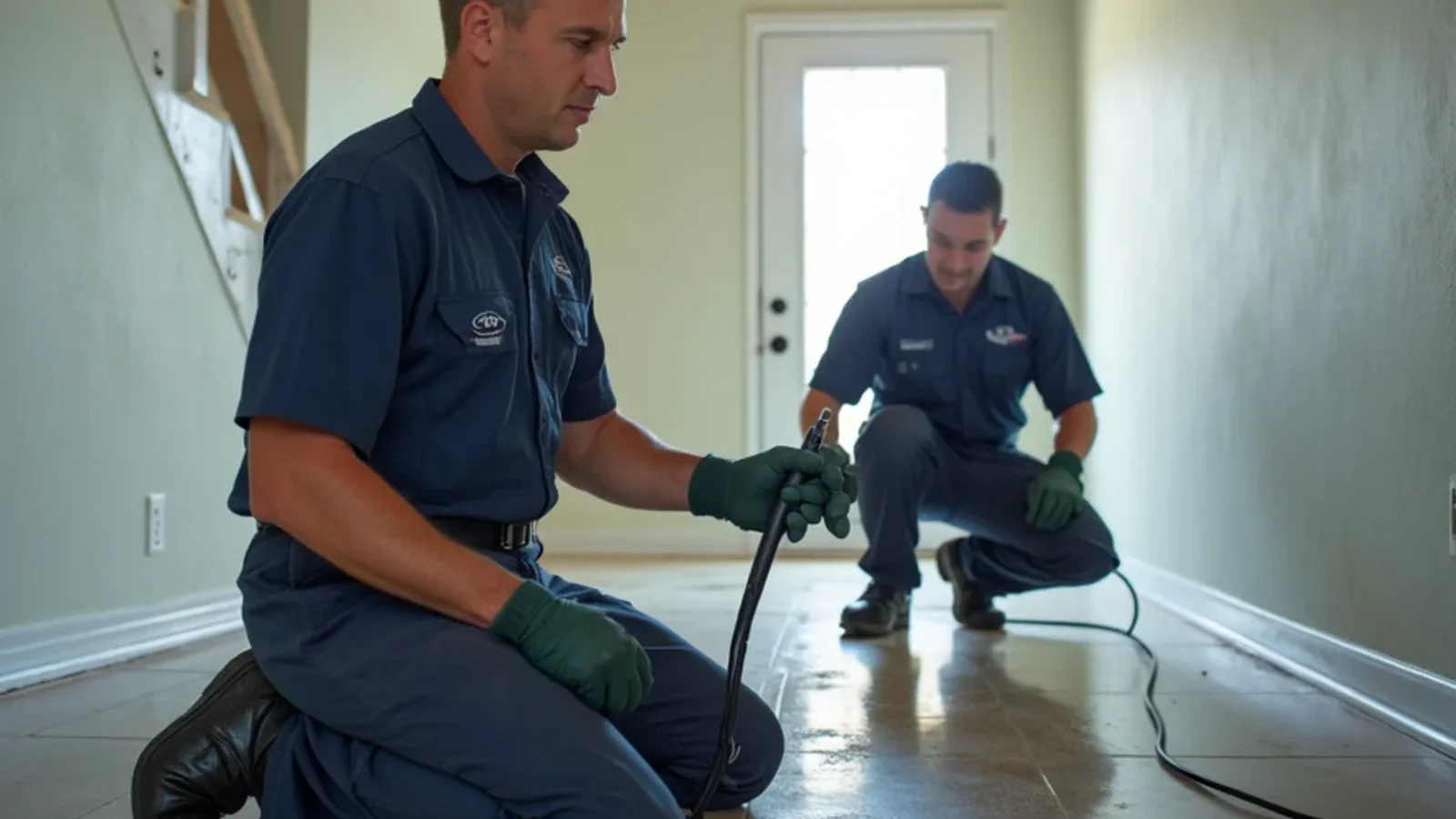
The short-term rental (STR) corridor surrounding Walt Disney World and Universal Orlando—encompassing master-planned resort communities across Four Corners, Davenport, Kissimmee, ChampionsGate, Reunion, and Celebration—represents one of the dense vacation home markets in the world. However, absentee ownership paired with high guest turnover creates an exceptionally perilous risk profile for catastrophic water damage.
In a primary residence, a toilet supply line rupture or water heater leak is typically discovered within hours. In a vacation rental or seasonal second home, an unoccupied property can suffer a pressurized plumbing failure that runs continuously for five to seven days until the next guest check-in or cleaner turnover. A standard half-inch supply line discharging eight gallons per minute releases nearly 12,000 gallons of water in 24 hours—saturating concrete slabs, destroying cabinetry across multiple floors, and breeding toxic mold that thrives in closed, unventilated rooms. By the time property managers arrive, what would have been a $1,500 drying project has exploded into a $40,000 full structural remediation and rebuild, accompanied by weeks of canceled bookings and lost rental revenue.
Smart Water Defense: Automatic Flow-Based Shutoff Valves and Point-of-Leak Sensors
For remote owners managing properties from out of state or abroad, manual vigilance is impossible. Hardening an STR against water emergencies requires automated physical defenses that act within minutes of a plumbing failure without relying on guest intervention:
1. Inline Smart Water Shutoff Valves: Installing an ultrasonic, flow-monitoring automatic shutoff valve (such as the Moen Flo or Phyn Plus) directly onto the main water service line provides 24/7 autonomous protection. These devices learn normal property consumption patterns. If a pipe ruptures, a garden hose is left running, or a toilet valve fails open while the property is scheduled as unoccupied, the system automatically closes an internal motorized ball valve within 10 to 15 minutes and pushes emergency push notifications to your smartphone. 2. Point-of-Leak Wireless Sensor Pucks: Strategically place Wi-Fi or LoRaWAN water sensors under high-risk appliances: beneath the kitchen sink garbage disposal, behind every toilet tank, under washing machine supply hoses, and directly inside the water heater drain pan. When liquid contacts the gold-plated sensor pins, it sounds an audible alarm and communicates with the main smart valve to trigger immediate line depressurization.
Dealing With an Emergency Water Loss Right Now?
Don't let water damage escalate into structural mold. Our Orlando dispatch team operates 24 hours a day, 7 days a week with live response.
HVAC and Humidity Management: The Crucial Vacancy Climate Rule
A common mistake made by budget-conscious second-home owners is turning the air conditioning system completely 'OFF' between guest stays to reduce electric bills. In Central Florida's climate, this practice is financial suicide. Within 48 hours of shutting down an AC system in July, indoor temperatures climb above 88°F and relative humidity surges past 75%.
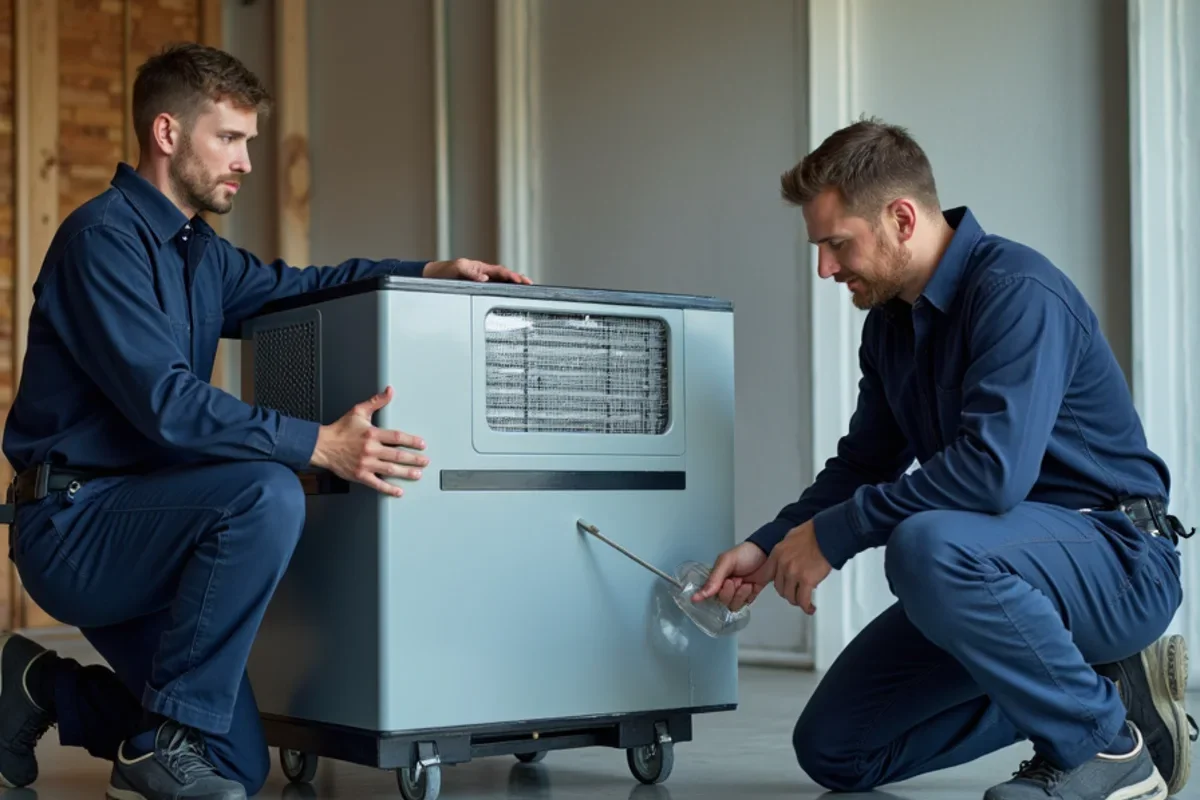
Without active dehumidification, ambient indoor moisture reaches the dew point, causing water vapor to condense on windows, mirrors, drywall, and leather furniture. This triggers rampant microbial blooms of Aspergillus and Penicillium that contaminate mattresses, window drapery, and drywall across the entire residence. Property owners must install commercial smart thermostats (such as Honeywell Home or Ecobee) with locked keypad ranges. Between guest stays, maintain cooling setpoints strictly between 74°F and 76°F with the fan set to 'AUTO.' Furthermore, install dual magnetic float switches (Safe-T-Switch) on attic air handler condensate lines to cut power immediately if drain lines clog with algae, preventing ceiling collapses into guest bedrooms.
The 10-Point Turnover Inspection Checklist for Cleaning Crews and Property Managers
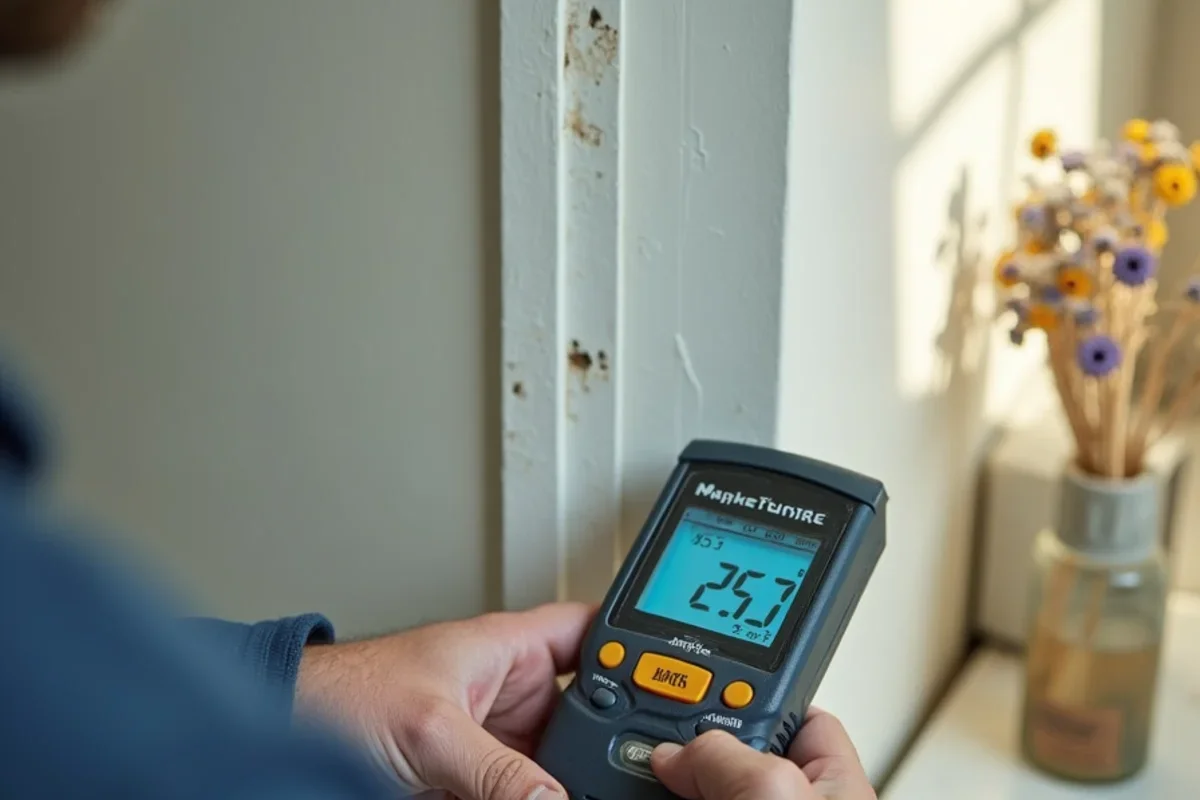
Cleaning and turnover crews are your first line of human defense against insidious minor leaks that escalate into structural disasters. Property management agreements should mandate a standardized 10-point water audit at every guest changeover:
1. Inspect under-sink P-traps and garbage disposals for active dripping or damp cabinet bottoms. 2. Verify all toilet flappers seal completely; a running toilet can cycle thousands of gallons of municipal water and overflow if a minor bowl obstruction occurs. 3. Check washing machine braided stainless steel hoses for blistering or moisture around brass couplings. 4. Inspect the refrigerator ice maker water line behind the unit for crimping or compression fitting leaks. 5. Examine dishwasher door perimeter gaskets for signs of micro-leaking during wash cycles. 6. Verify the water heater tank jacket and temperature-pressure relief (TPR) discharge pipe are completely dry. 7. Check air handler secondary drain pans for standing water or rust scaling. 8. Verify exterior hose bibbs are tightly closed and not dripping against exterior stucco. 9. Ensure pool lanai sliding glass doors close squarely and bottom track weep holes are unobstructed. 10. Confirm the main water valve turns smoothly and the exterior curb key is accessible.
Insurance Vacancy Exclusions and Commercial Short-Term Rental Endorsements
Navigating property insurance for Central Florida vacation homes requires understanding complex policy exclusions that frequently leave owners completely unprotected. Standard Florida HO-3 homeowners policies contain strict 'Vacancy and Unoccupancy' clauses: if a property remains unoccupied for more than 30 or 60 consecutive days, the insurer can completely deny coverage for water damage, mold, and vandalism.
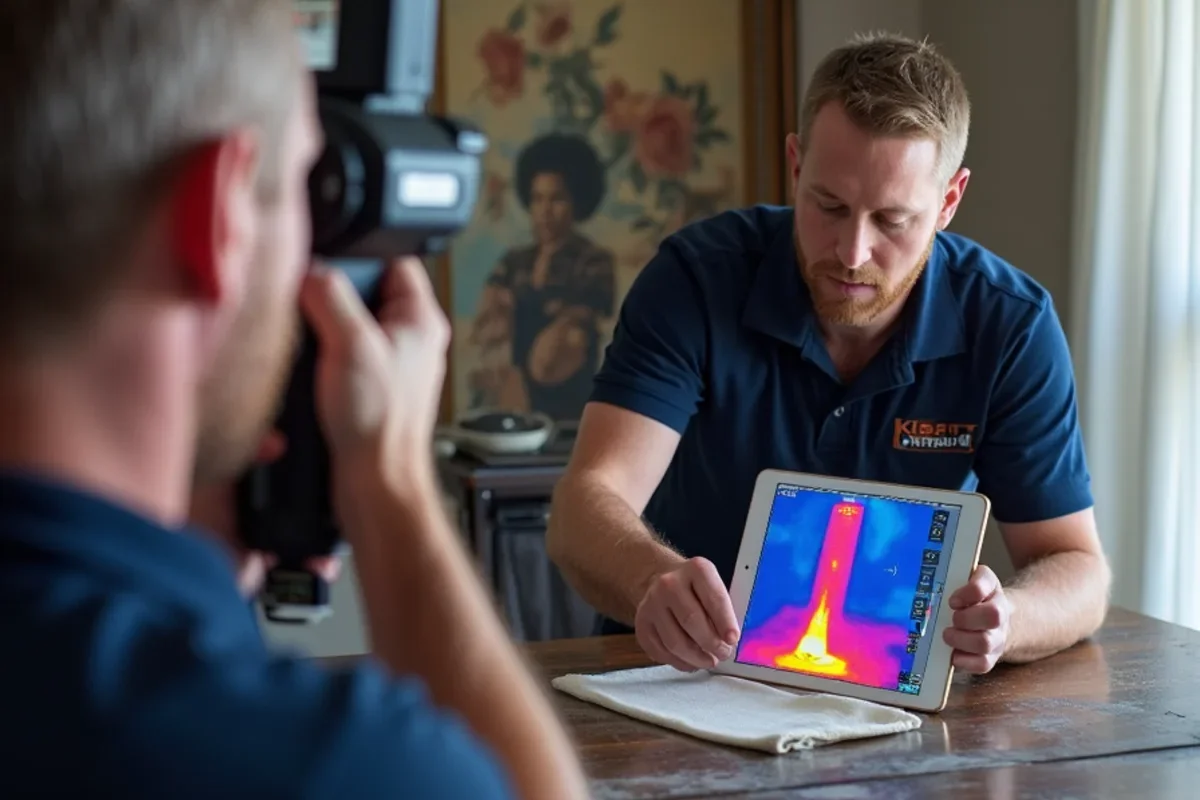
Furthermore, if you rent your property on platforms like Airbnb or VRBO under a standard personal homeowners policy, the carrier will almost certainly deny your water loss under commercial activity exclusions. Owners must carry a specialized Commercial Short-Term Rental policy or a Dwelling Property 3 (DP-3) policy with explicit short-term rental endorsements. If an emergency occurs, professional restoration contractors provide forensic drying logs and timestamped FLIR thermal imagery. Restorers generate itemized Xactimate scopes separating emergency mitigation from structural build-back, satisfying carrier forensic adjusters and safeguarding your loss-of-business-income claims.
Related Restoration Services & Service Areas Mentioned in This Guide
Frequently Asked Questions: vacation rental water leak prevention
Answers to common questions regarding timelines, insurance coverage, and Florida moisture management.
Need On-Site Water Damage Assistance?
Speak with an experienced restoration specialist right now. We dispatch certified technicians 24/7 across Central Florida.