
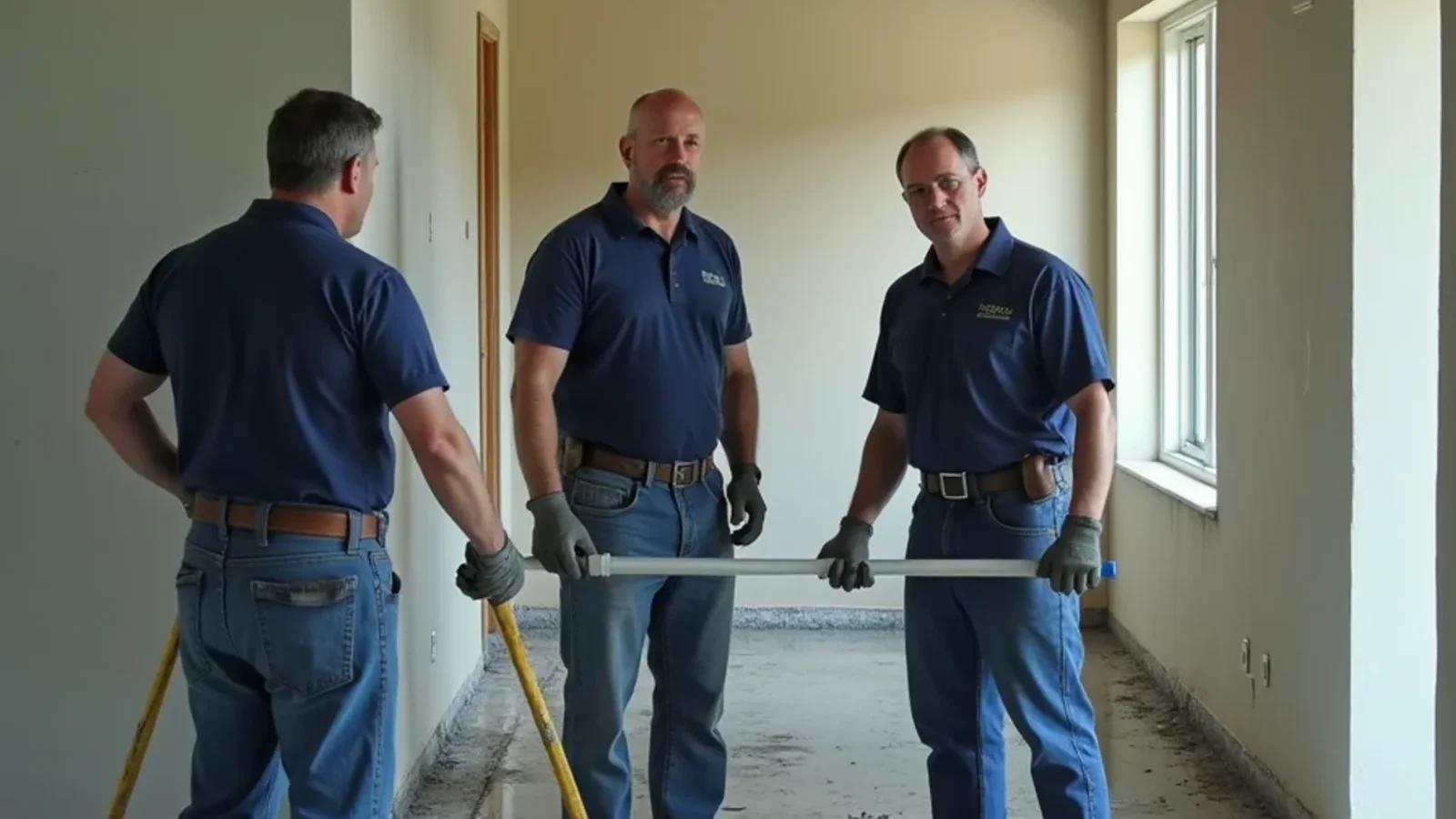
The Core Distinction: Halting Active Destruction vs. Rebuilding Structural Permanence
When dealing with severe water intrusion in Central Florida, property owners and insurance policyholders frequently encounter the terms 'water mitigation' and 'water damage restoration' used interchangeably. While they are consecutive phases of the same overall recovery process, they represent fundamentally different technical disciplines, scopes of work, and operational objectives.
Water mitigation is the emergency intervention phase: its singular purpose is to stop water migration, extract standing moisture, stabilize the indoor environment, and prevent secondary structural degradation or fungal proliferation. Mitigation does not rebuild or refinish your home; rather, it removes unsalvageable saturated elements and dries what can be preserved. Water damage restoration (often termed structural reconstruction or rebuild), on the other hand, is the secondary phase that begins only after the property has achieved certified equilibrium moisture content. Restoration involves hanging new drywall, finishing textures, reinstalling subflooring and finish flooring, custom cabinetry fabrication, and final cosmetic paint to return the property to its exact pre-loss condition.
Phase 1 Deep Dive: Emergency Water Mitigation (Hours 0 Through 96)
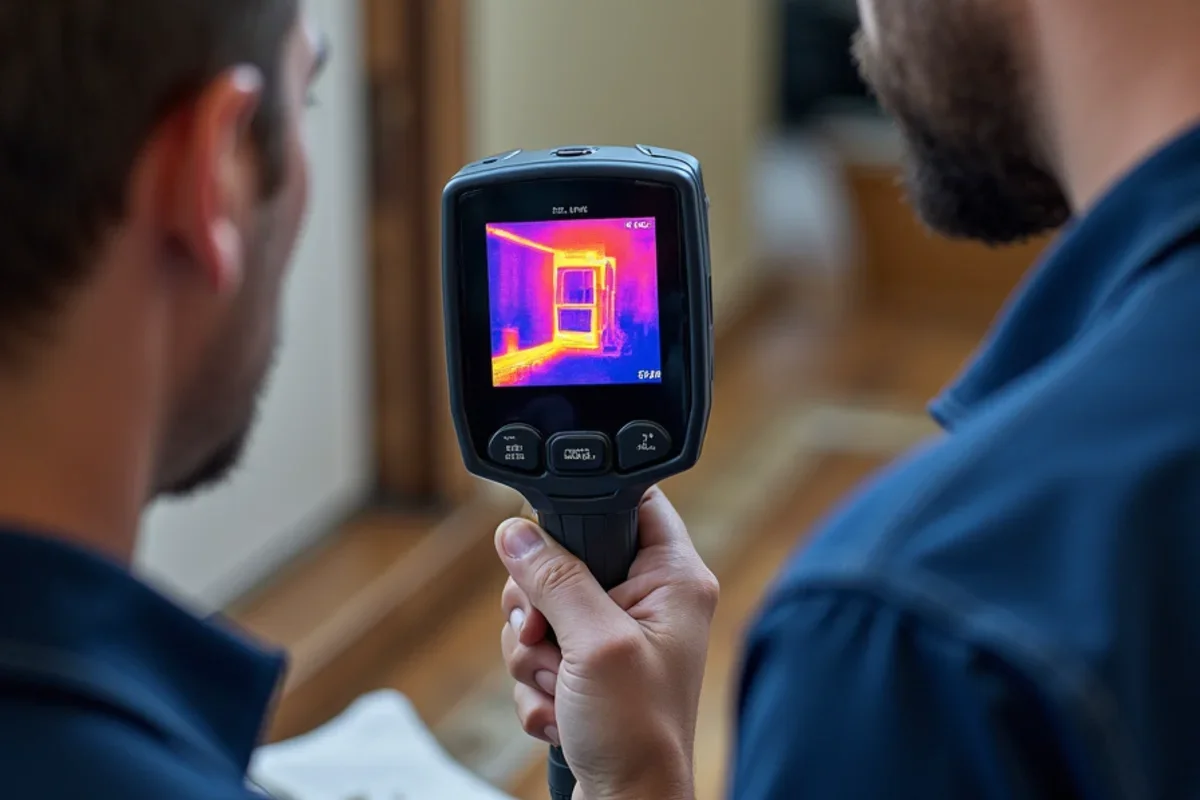
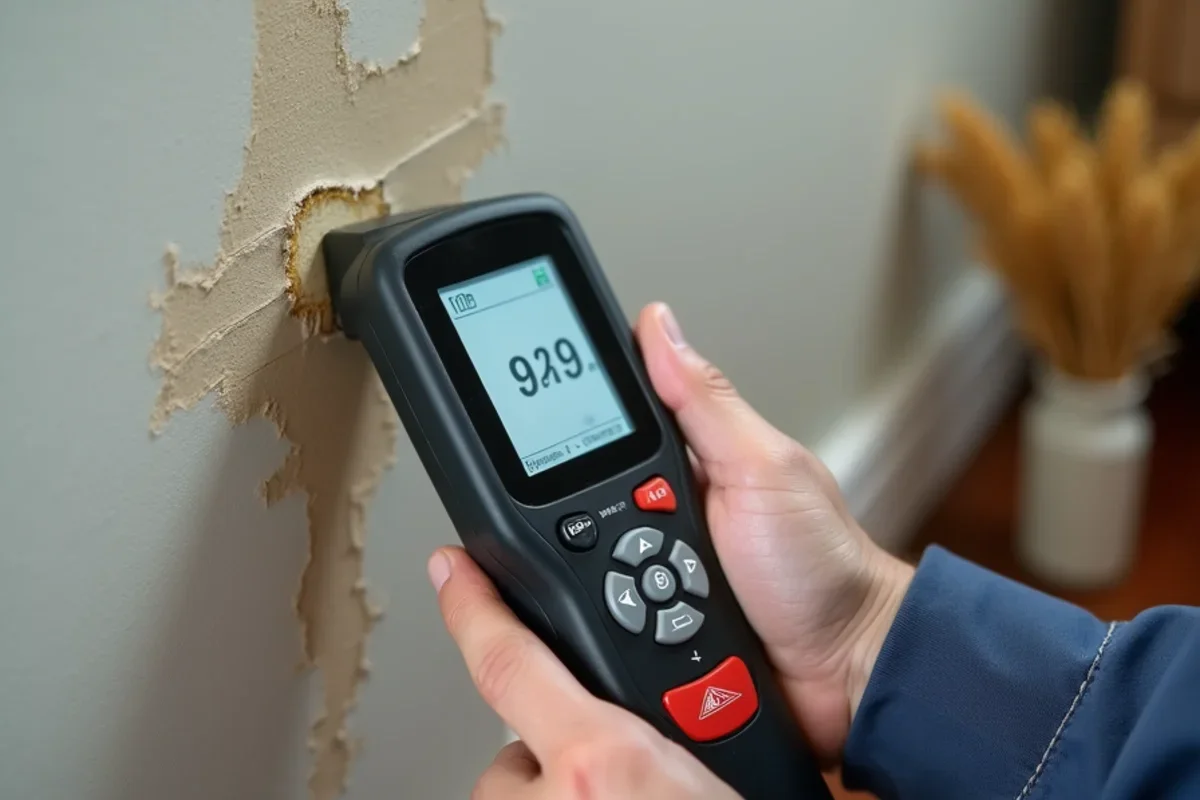
The mitigation phase begins the moment emergency technicians arrive on site. Because Florida's high ambient humidity accelerates microbial colonization within 24 to 48 hours, mitigation operates under emergency timeframes. The workflow begins with non-invasive FLIR thermal imaging and pinless moisture mapping to delineate the exact boundaries of wet materials, followed by Category classification according to IICRC S500 guidelines.
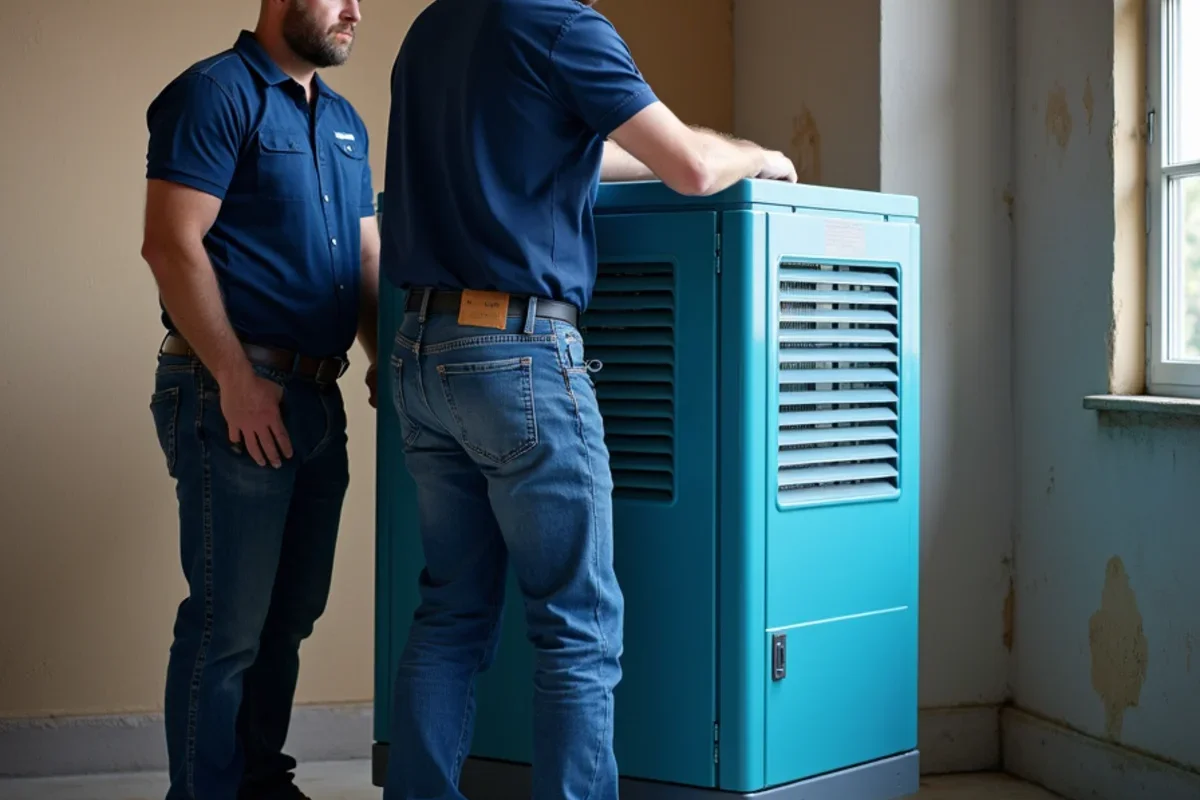
Technicians immediately deploy truck-mounted or portable high-volume extraction units to physically pull water from carpets, tile grout lines, and concrete subfloors—a process 1,200 times more energy-efficient than evaporating moisture into the air. Next comes selective controlled demolition: unsalvageable wet carpet padding is stripped, saturated baseboards are removed to access wall cavities, and drywall is flood-cut 12 to 24 inches above the moisture line. Finally, an engineered drying chamber is created using commercial Low Grain Refrigerant (LGR) dehumidifiers and high-velocity axial air movers. Technicians take daily psychrometric readings (measuring grains per pound of water vapor in the air) and log moisture levels in structural wood framing until materials reach dry standard baseline.
Dealing With an Emergency Water Loss Right Now?
Don't let water damage escalate into structural mold. Our Orlando dispatch team operates 24 hours a day, 7 days a week with live response.
Phase 2 Deep Dive: Structural Restoration and Reconstruction (Days 4 Through 30+)
Only when the mitigation team issues a formal drying completion certificate with time-stamped moisture logs can the restoration and rebuild phase legally and practically commence. Moving forward with reconstruction before achieving verified dry standards is a catastrophic error that traps moisture behind vapor barriers, guaranteeing concealed fungal blooms and structural rot within weeks.
The restoration phase requires standard Florida construction trade licensing. Under Florida Statute § 489, structural repairs, electrical rewiring, and major drywall alterations require a licensed Certified Building Contractor (CBC) or Certified General Contractor (CGC) and municipal building permits from local authorities such as the City of Orlando or Orange County Building Division. Restoration contractors install new mold-resistant drywall, apply orange-peel or knockdown wall textures, prime and paint surfaces, install moisture-resistant underlayment, and install new flooring. This phase also includes cabinet refacing or custom box replacement, reinstalling bathroom vanities, and resetting electrical fixtures and trim carpentry.
Insurance Claim Mechanics: Separate Invoicing, Xactimate Scopes, and Depreciation Holdbacks
For Florida property owners navigating insurance claims under Florida Statute § 627.70132, understanding the financial separation between mitigation and restoration is critical. Insurance carriers treat these two operations as separate claim files with distinct billing structures and adjuster reviews.
Mitigation is categorized under your policy's emergency mitigation coverage. Because policyholders have a statutory duty to protect property from further loss, certified restorers submit mitigation invoices directly via standardized Xactimate line items (coded under 'WTR' for water remediation). Carriers typically review and settle emergency drying invoices rapidly without requiring prior adjuster approval, provided thermal logs validate the drying run times. In contrast, the restoration phase (reconstruction) requires an agreed scope of repair between your general contractor and the carrier's field adjuster before work begins. Structural rebuild funds are frequently divided into Actual Cash Value (ACV) upfront, with the recoverable depreciation withheld until your contractor submits proof of completed reconstruction.
The Danger of Skipping Straight to Restoration Without Rigorous Mitigation
In an effort to save time or avoid demolition, property owners are occasionally tempted to skip professional mitigation—simply repainting water-stained drywall, placing household floor fans, or replacing carpet over damp concrete slabs. In Central Florida's subtropical climate, this practice invariably leads to disastrous secondary consequences.
Concrete slabs on grade are highly porous; when flooded, they absorb gallons of water that slowly wick upward into base plates and wall studs for weeks. Trapping this bound water beneath newly installed waterproof vinyl plank (LVP) or behind freshly painted drywall creates a sealed microclimate that incubates Aspergillus, Penicillium, and Stachybotrys mold colonies. The resulting remediation requires tearing out all of the brand-new finishes, doubling the total out-of-pocket cost and generating severe indoor air quality hazards. Engaging an integrated restoration provider that rigorously separates emergency psychrometric drying from licensed finish carpentry ensures your home is structurally sound, legally compliant, and completely healthy.
Related Restoration Services & Service Areas Mentioned in This Guide
Frequently Asked Questions: water mitigation vs restoration
Answers to common questions regarding timelines, insurance coverage, and Florida moisture management.
Need On-Site Water Damage Assistance?
Speak with an experienced restoration specialist right now. We dispatch certified technicians 24/7 across Central Florida.