
24/7 Water Damage Emergency Response & Extraction in St. Cloud
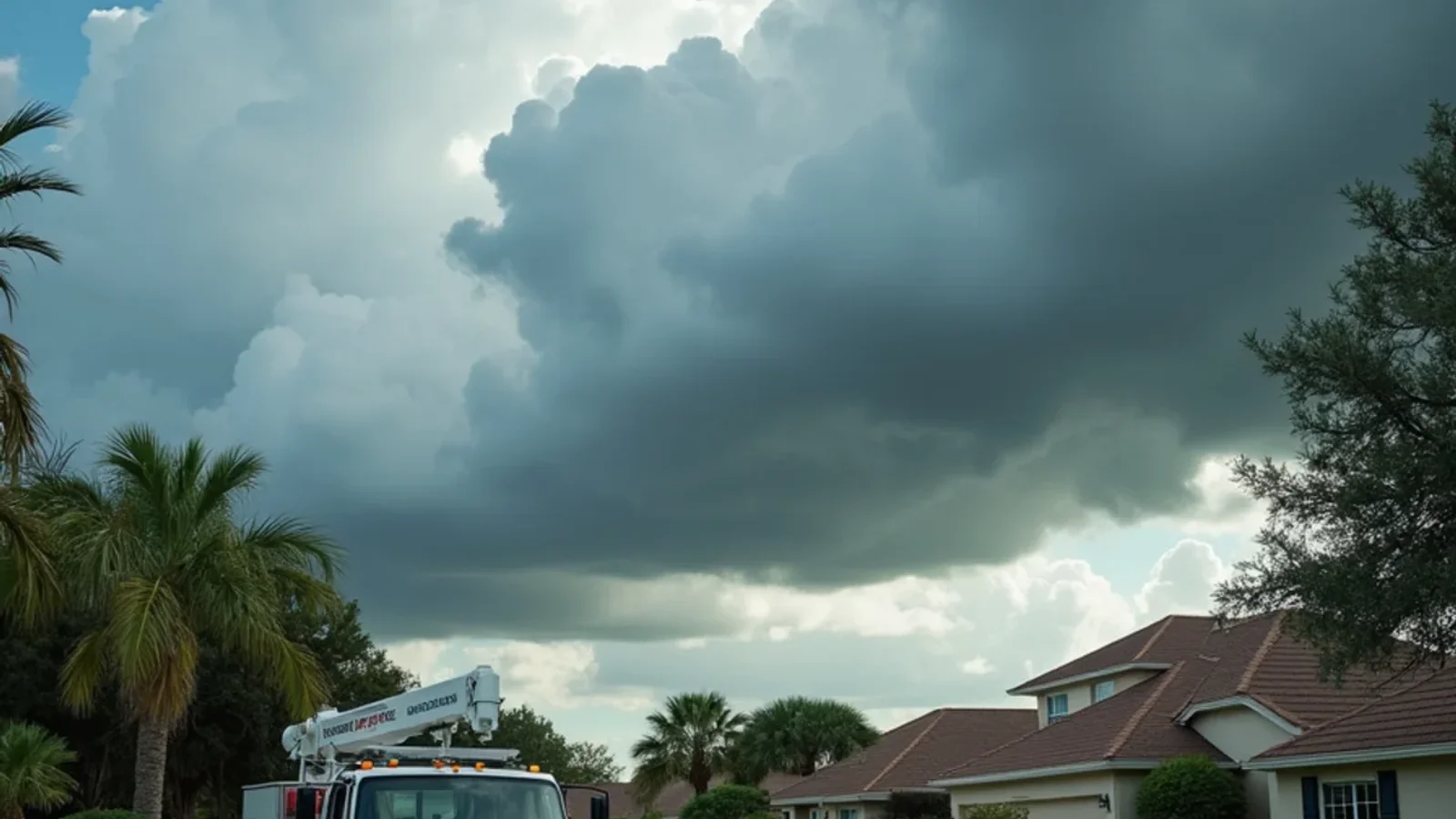
When an unexpected water emergency strikes your St. Cloud property—whether from a ruptured plumbing supply line, an overflowing air handler condensate drain, or storm-driven rainwater—immediate extraction is critical to limit saturation. Operating from our central Orlando dispatch base, our mobile response units arrive promptly in St. Cloud equipped with high-gallon extraction pumps, infrared moisture sensors, and commercial drying equipment.
Architectural Architecture, Plumbing Eras & Moisture Risks in St. Cloud
St. Cloud is a rapidly expanding Osceola County municipality of over 60,000 residents, situated along the southern and eastern shorelines of East Lake Tohopekaliga (East Lake Toho). Anchored along US Highway 192 (13th Street), Narcoossee Road (County Road 15), Nolte Road, Canoe Creek Road (County Road 523), Old Canoe Creek Road, and Florida's Turnpike (Exit 240), St. Cloud features a compelling architectural timeline. The city's core was founded in 1909 as a planned retirement colony for Union Civil War veterans—earning it the historic moniker 'The Friendly Soldier City.' This downtown historic grid (stretching between Pennsylvania Avenue, New York Avenue, and 10th through 17th Streets) contains 1910s to 1930s heart-pine frame vernacular and Craftsman bungalows built atop elevated brick and concrete pier-and-beam foundations with unsealed crawlspaces. Surrounding this historic center are mid-century 1960s to 1980s concrete block (CMU) single-family ranches on monolithic concrete slab-on-grade foundations bordering Lake Runnymede and Michigan Avenue. In contrast, the northern and eastern peripheries along the Narcoossee corridor have experienced explosive 2000s to 2020s master-planned suburban development—including Stevens Plantation, Anthem Park, Canoe Creek Lakes, and the eco-planned community of Harmony. Historic downtown properties face unique moisture hazards: uninsulated plumbing lines under ventilated crawlspaces, aging galvanized pipes, and moisture absorption into original antique pine subfloors. Mid-century ranches contend with buried copper water lines developing sub-slab pinhole leaks that silently pool beneath foundation pads before buckling floor tiles. In newer subdivisions along Narcoossee Road, high-pressure second-floor bathroom plumbing failures and attic AC condensate line clogs cause vertical cascades that soak ceiling drywall and luxury vinyl plank flooring across lower levels.
Hydrologically, St. Cloud is bounded by East Lake Tohopekaliga, Lake Runnymede, Lake Ajay, and an extensive network of drainage canals and agricultural retention ditches that connect into the upper Kissimmee River basin. During severe summer convective downpours and named tropical storms—such as Hurricanes Charley (2004), Irma (2017), Ian (2022), and Milton (2024)—East Lake Toho experiences dramatic water level surges. Stormwater runoff overtopping lakefront bulkheads at St. Cloud Lakefront Park backs up into municipal storm drainage canals, causing sheet-flow street flooding and crawlspace inundation in low-lying subdivisions along Canoe Creek Road and Nolte Road. Waters overflowing from East Lake Toho or stagnant drainage ditches represent hazardous IICRC Category 3 blackwater, contaminated with agricultural fertilizers, livestock bacteria, roadway hydrocarbons, and lake mud. In addition, the area's flat topography and shallow water table create prolonged hydrostatic pressure under concrete slabs following persistent rain. Central Florida's fierce summer heat and relative humidity exceeding 85% to 90% turn enclosed moist structures into rapid incubators for toxic mold spores (including Aspergillus and Penicillium), which colonize drywall, structural framing, and subfloors within 24 to 48 hours without high-capacity commercial low-grain refrigerant (LGR) dehumidification and negative-air HEPA filtration.
Emergency Water Loss in St. Cloud?
Call our 24/7 emergency dispatch desk. We arrive equipped to halt active water flow, extract standing water, and set up structural drying in St. Cloud.
High-Priority Restoration Services Most Needed in St. Cloud Properties
Water Damage Restoration
Complete moisture mapping, deep extraction, and structural drying engineered specifically for St. Cloud historic homes, lakefront properties, and modern subdivisions.
Water Damage Restoration in St. CloudEmergency Water Damage
Rapid 35-40 minute emergency dispatch for sudden pipe ruptures, slab leaks, and nighttime storm flooding across St. Cloud.
Emergency Water Damage in St. CloudFlood Damage Cleanup
Category 3 blackwater extraction, contaminated drywall flood cuts, and hospital-grade EPA antimicrobial sanitization after East Lake Toho and canal surges.
Flood Damage Cleanup in St. CloudBurst Pipe Water Damage
Precision electronic acoustic listening and thermal imaging targeting failed galvanized crawlspace pipes and concealed sub-slab copper pinholes.
Burst Pipe Water Damage in St. CloudStructural Drying
Industrial low-grain refrigerant dehumidifiers and axial air movers pulling deep moisture out of saturated concrete slabs, crawlspaces, and framing.
Structural Drying in St. CloudMold Remediation
Florida DBPR-licensed microbial containment, HEPA air filtration, and antimicrobial sanitization preventing mold growth in humid St. Cloud homes.
Mold Remediation in St. Cloud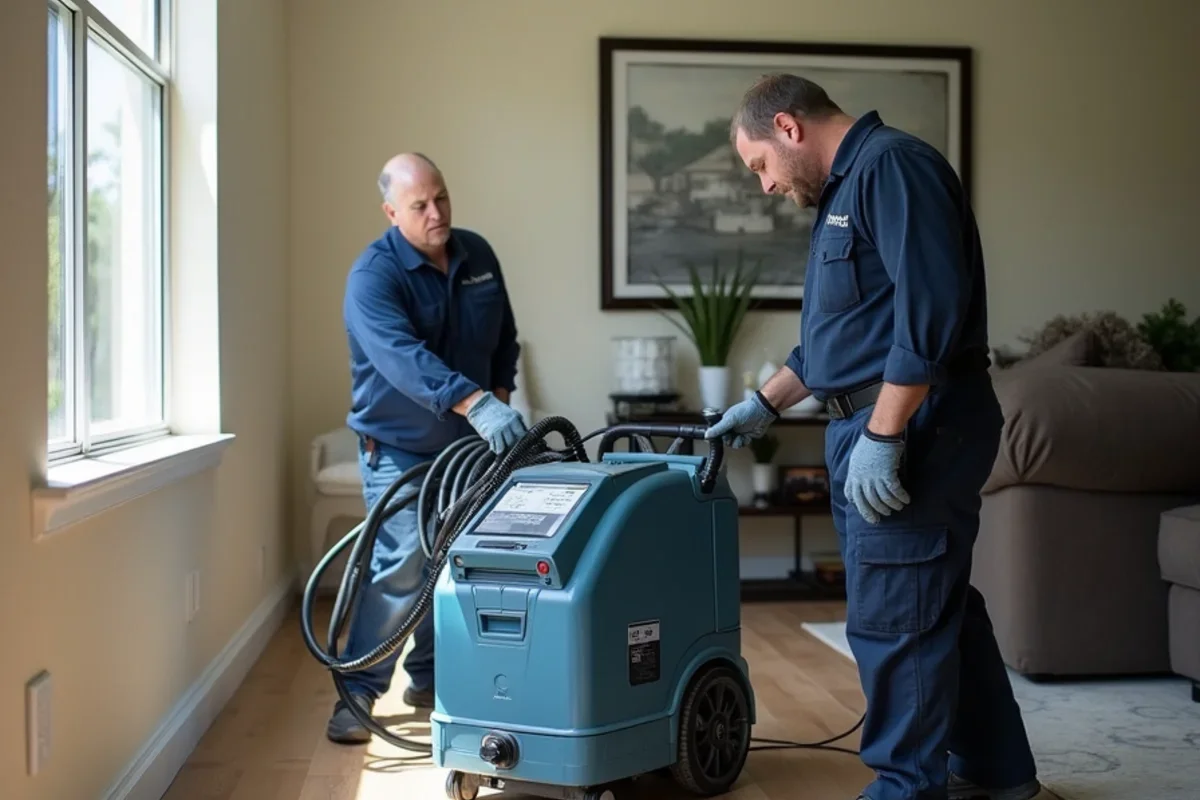
How Our Dispatch Crew Coordinates Emergency Service From Our Base to St. Cloud
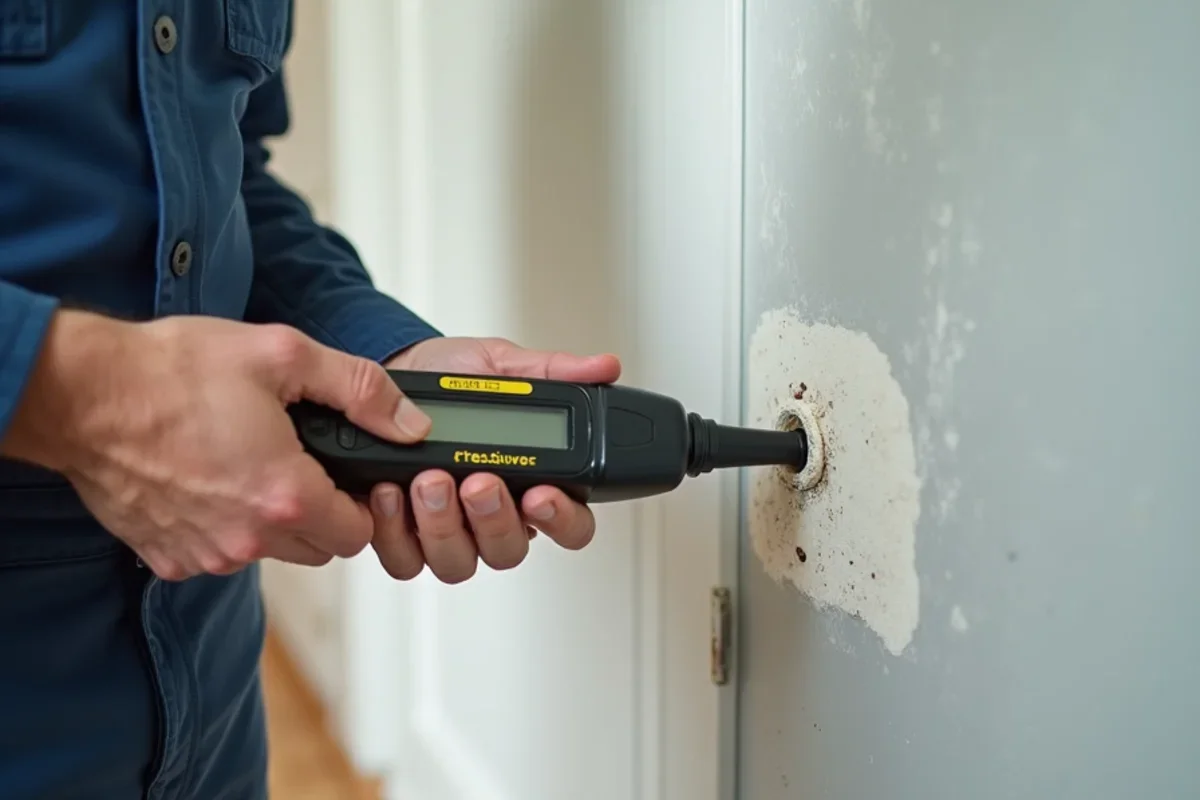
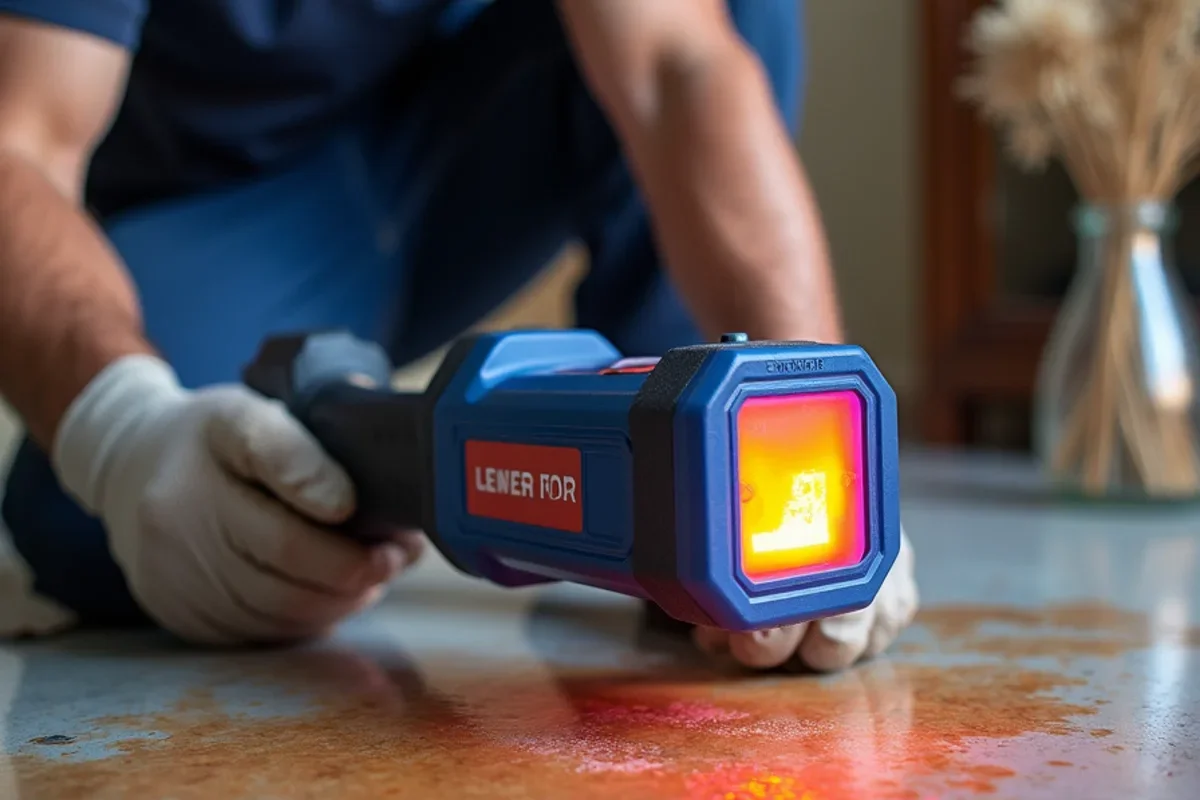
When an emergency plumbing rupture, crawlspace flood, or storm-driven lake inundation strikes a St. Cloud residence or business, our central Orlando disaster mitigation dispatch center mobilizes an immediate emergency response. Stationed 35 to 40 minutes away, our mobile emergency response units transit directly via Florida's Turnpike South (Exit 240 for St. Cloud / Kissimmee Park Road) or via State Road 417 South to Narcoossee Road, ensuring rapid access across both historic downtown and outer master-planned communities. Upon arrival at your St. Cloud property, our IICRC-certified restoration crew initiates immediate emergency shutoff verification, conducts critical electrical safety evaluations, and performs comprehensive non-invasive moisture mapping using calibrated FLIR infrared thermal cameras and digital penetration probes. We deploy truck-mounted high-vacuum extraction systems to evacuate standing water, erect negative-pressure polyethylene containment zones, and install commercial low-grain refrigerant (LGR) dehumidifiers alongside directional axial air movers to dry saturated concrete slabs, crawlspaces, and framing back to Florida dry standards.
Local Proof & Community Service Across St. Cloud
Our certified restoration specialists possess deep operational experience managing water emergencies across St. Cloud and eastern Osceola County. We led emergency water extraction and Category 3 flood remediation along East Lake Toho and the Canoe Creek canal networks following Hurricanes Ian and Milton, and we regularly mitigate concealed sub-slab copper pinholes and second-story plumbing cascades across Stevens Plantation, Anthem Park, and Harmony. We understand the distinct structural requirements of historic pier-and-beam crawlspaces as well as modern slab construction, coordinating directly with the City of St. Cloud Building Department regarding emergency permitting. All our restoration documentation strictly adheres to Florida Senate Bill 2-A guidelines. We provide property owners and insurance carriers with forensic line-item Xactimate estimates, date-stamped thermal imaging scans, and daily psychrometric dry records to ensure smooth, undisputed claim settlements.
Service Coverage Area for St. Cloud, FL
Serving Orlando, Orange County, Seminole, Osceola & neighboring areas 24/7
Frequently Asked Questions Regarding Water Damage in St. Cloud
Common questions from St. Cloud homeowners on dispatch times, plumbing causes, and insurance logs.
Nearby Central Florida Communities We Serve
Ready for Emergency Water Extraction in St. Cloud?
Call our 24/7 emergency dispatch line now. Live technicians answer day and night to dispatch an emergency response unit directly to your St. Cloud address.